
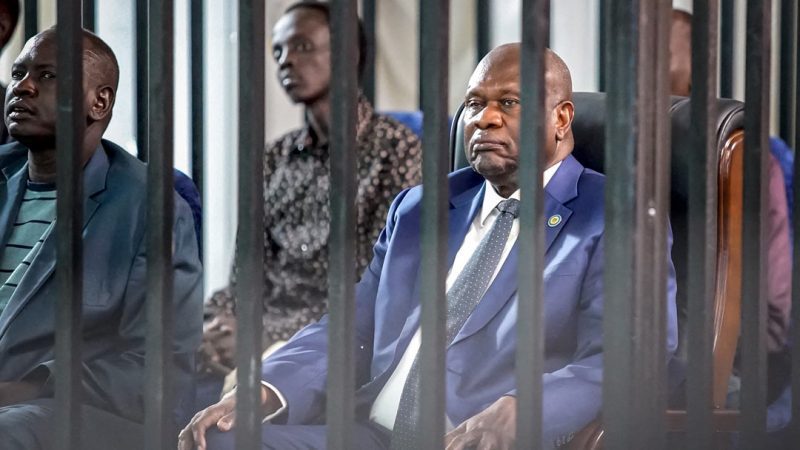
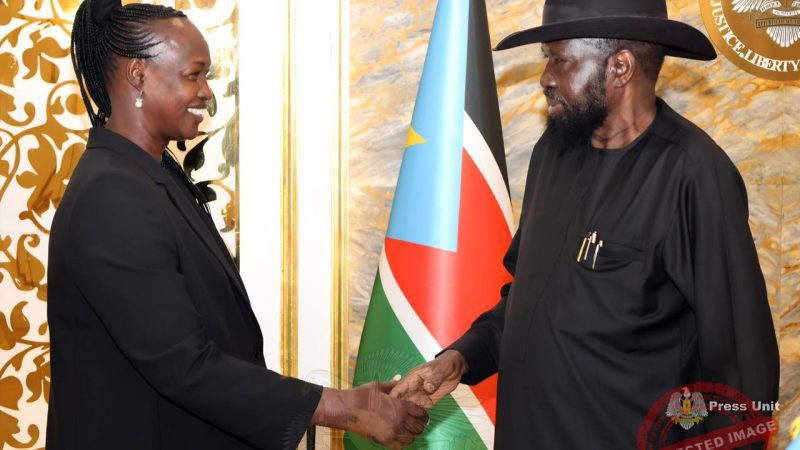
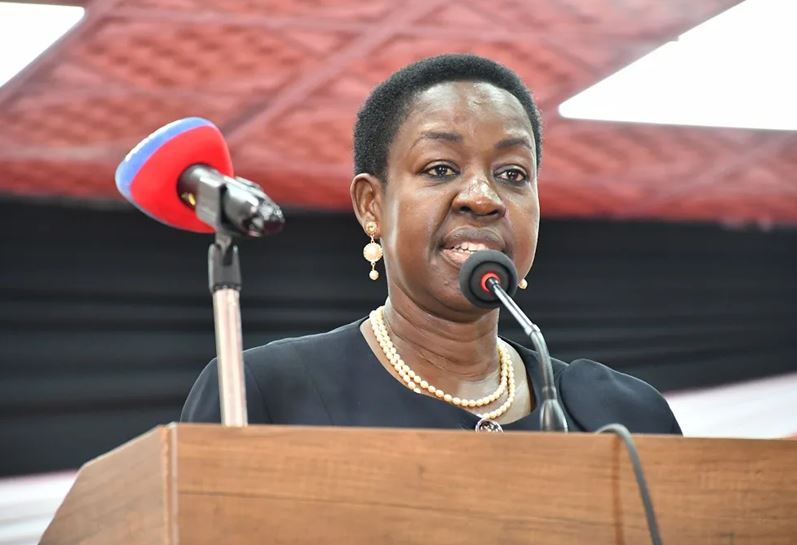
South Sudan’s Transitional National Legislative Assembly – TNLA has voted to lift the parliamentary immunity of two members, enabling legal proceedings against them.
The affected MPs are Gatwech Lam Puoch, an opposition lawmaker with the Sudan People’s Liberation Movement-in-Opposition (SPLM-IO), and Robert Anei Salva Mathok from the ruling Sudan People’s Liberation Movement (SPLM).
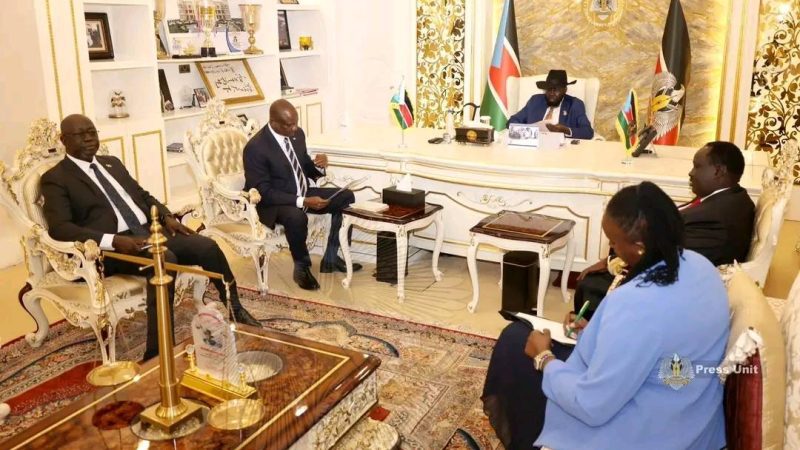
The motion was passed following a formal request from Justice Minister Wek Mamer Kuol, marking a significant step toward enforcing accountability among political leaders in the country.
Opposition MP Accused of Crimes Against the State

Gatwech Lam Puoch was arrested on March 12 at his residence in Juba by agents of the National Security Service (NSS). He has since been detained without trial—an issue that has raised concerns among legal experts and civil society groups.
His arrest followed protests by SPLM-IO lawmakers against the unauthorized deployment of South Sudan People’s Defence Forces (SSPDF) to Nasir County, Upper Nile State—a move many argue violated the 2018 Revitalized Peace Agreement.
Dr. James Mabor Gatkuoth, Chairperson of the Parliamentary Committee for Legislation and Justice, confirmed that Lam is facing charges classified as “crimes against the state” under South Sudan’s penal code.
Ruling Party MP Faces Assault and Land Dispute Charges
In a separate case, Robert Anei Salva Mathok is being charged with assault and trespassing following an alleged altercation with a female colleague over a land dispute.
Parliamentarians, including George Andrea Juma of the SPLM, supported the lifting of immunity, clarifying that immunity only applies to civil matters and not criminal cases.
“Our constitution makes it clear—immunity does not protect criminal acts,” Juma said. “This allows the law to take its course.”
Lawmakers and Activists Raise Concerns Over Political Motivation
Not all MPs were in favor of the decision. Opposition lawmaker Gatkuoth Wat expressed concern about the potential misuse of legal mechanisms for political purposes.
“Today it’s Honourable Lam; tomorrow it could be one of us,” he said, emphasizing that Lam was simply performing his duties as an elected representative.
Assembly Speaker Jemma Nunu Kumba clarified that lifting immunity is not a declaration of guilt, but rather a procedural step that enables investigations and potential prosecution.
Human Rights Groups Condemn Detention Without Trial
Civil society leaders, including Ter Manyang, Executive Director of the Center for Peace and Advocacy, have condemned the prolonged detention of Gatwech Lam, describing it as politically motivated and unconstitutional.
“These lawmakers were exercising their constitutional mandate. Detaining them without trial is a violation of Articles 4 and 25 of the Transitional Constitution, which guarantee freedom of expression and due process,” Manyang said in an interview with South Sudanese local media.
He further criticized the failure to bring the MP before a court within the constitutionally mandated 24-hour period.
What the Constitution Says About MP Immunity in South Sudan
Under Article 67 of South Sudan’s Transitional Constitution, criminal proceedings against members of the National Legislative Assembly or Council of States can only begin after the relevant house votes to lift their immunity—unless the member is caught committing a crime that warrants immediate arrest.
This legal safeguard is designed to protect lawmakers from politically motivated charges but also includes provisions for holding them accountable for serious offenses.
The lifting of immunity for Gatwech Lam Puoch and Robert Anei Salva Mathok signals a pivotal moment in South Sudan’s political and legal landscape. As the cases proceed, many will be watching to see whether justice is served fairly and transparently, or whether political influence will shape the outcomes.