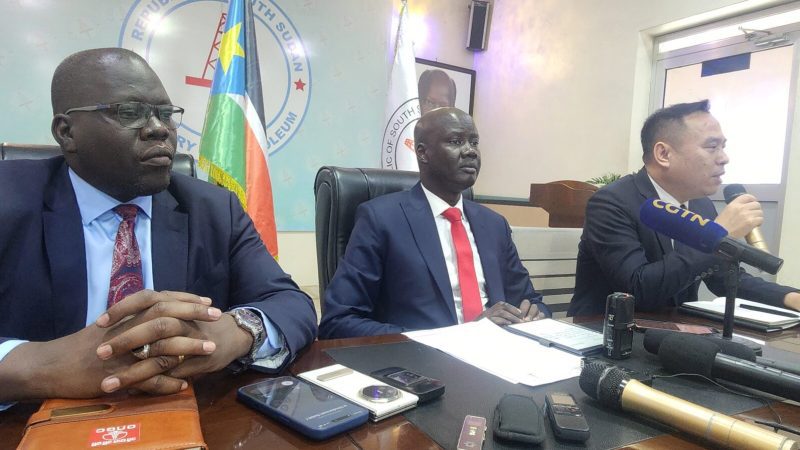
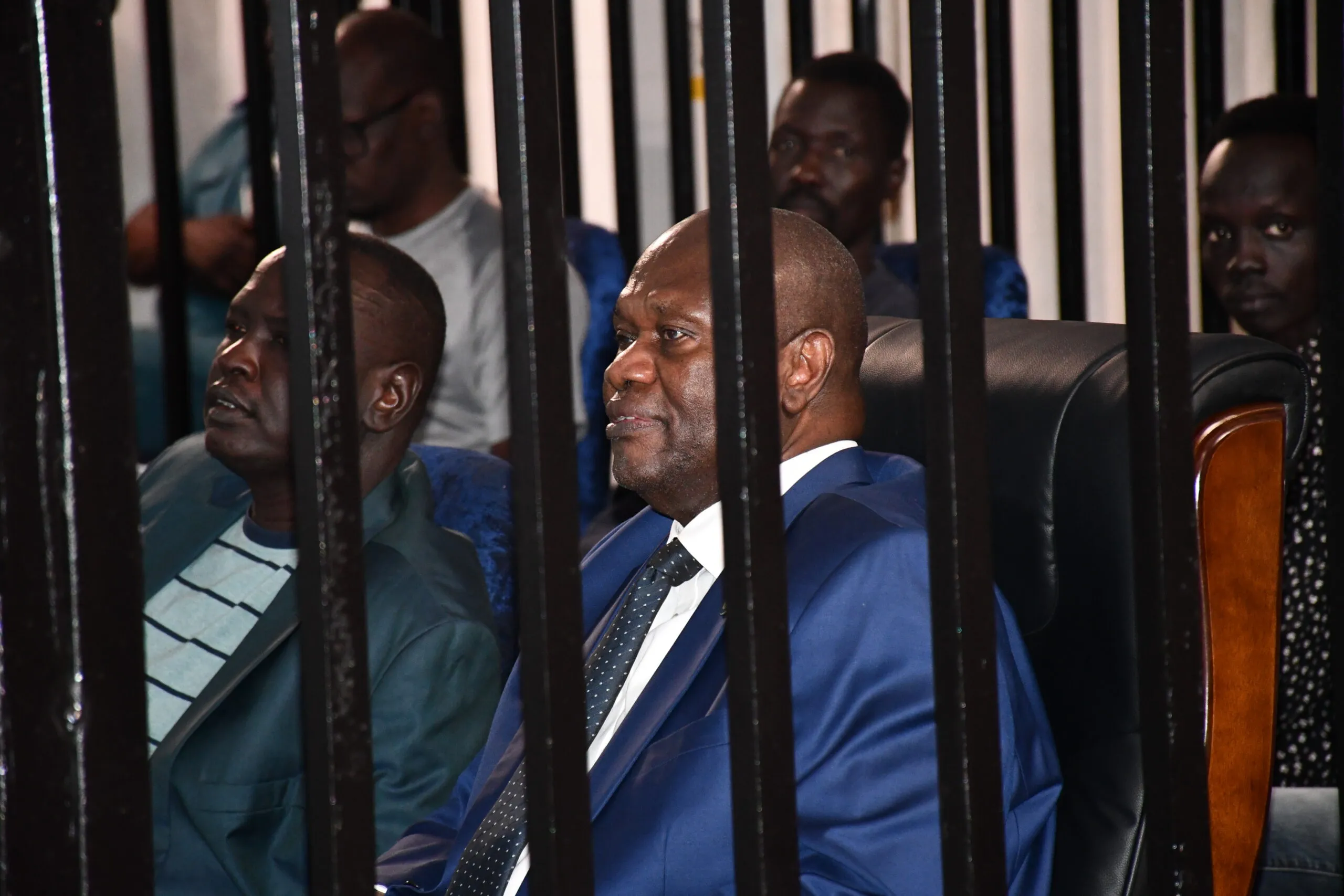
As the trial of Riek Machar — suspended First Vice President and leader of SPLM-IO — resumed this Monday at Freedom Hall in Juba, a coalition of more than 200 civil society organizations in South Sudan stressed that this alone cannot substitute for a hybrid court to hold accountable those responsible for war-time abuses.
The South Sudan Civil Society Forum is closely following the Nasir incident case, in which deadly fighting in March between government forces and the White Army reportedly killed many people and displaced others. While the Forum praised the fact that the trial is open to the public and accessible to media, it argued this case reveals how limited the current national judiciary system is.
They urged both the South Sudanese government and the African Union Commission to act quickly to create and activate the proposed Hybrid Court for South Sudan, a body mandated under the 2018 peace agreement to try genocide, war crimes, and crimes against humanity. The Forum called the establishment of this court both a legal requirement and a moral duty.
The Forum also insisted that due process must be fully respected and that all parties involved — including lawyers, witnesses, and journalists — should be protected. The group emphasized peace cannot last without justice.

In response, Presiding Judge James Alala Deng affirmed the Special Court’s authority to handle the case under domestic law, saying its mandate does not overlap with the Hybrid Court’s intended scope, which is for international-law offences. He overruled defense objections on jurisdiction.
The defense challenged the court’s authority, also arguing Machar’s legal immunity has not been lifted. The judge also removed two of Machar’s lawyers temporarily for failing to renew their practice licenses, dismissing claims that the Bar Association delayed them.
The prosecution alleges the Nasir event was a planned military operation involving SPLM-IO leaders like co-accused Gabriel Duop Lam and financier Puot Kang, and says more than 200 people were killed. Machar’s lead counsel, Geri Raimondo, in turn warned against turning prosecutions into political instruments, insisting that the case must rely on credible, lawfully obtained evidence.
The trial has been adjourned until Wednesday to allow prosecution witnesses to be readied. The case is under heavy scrutiny both inside South Sudan and internationally.