


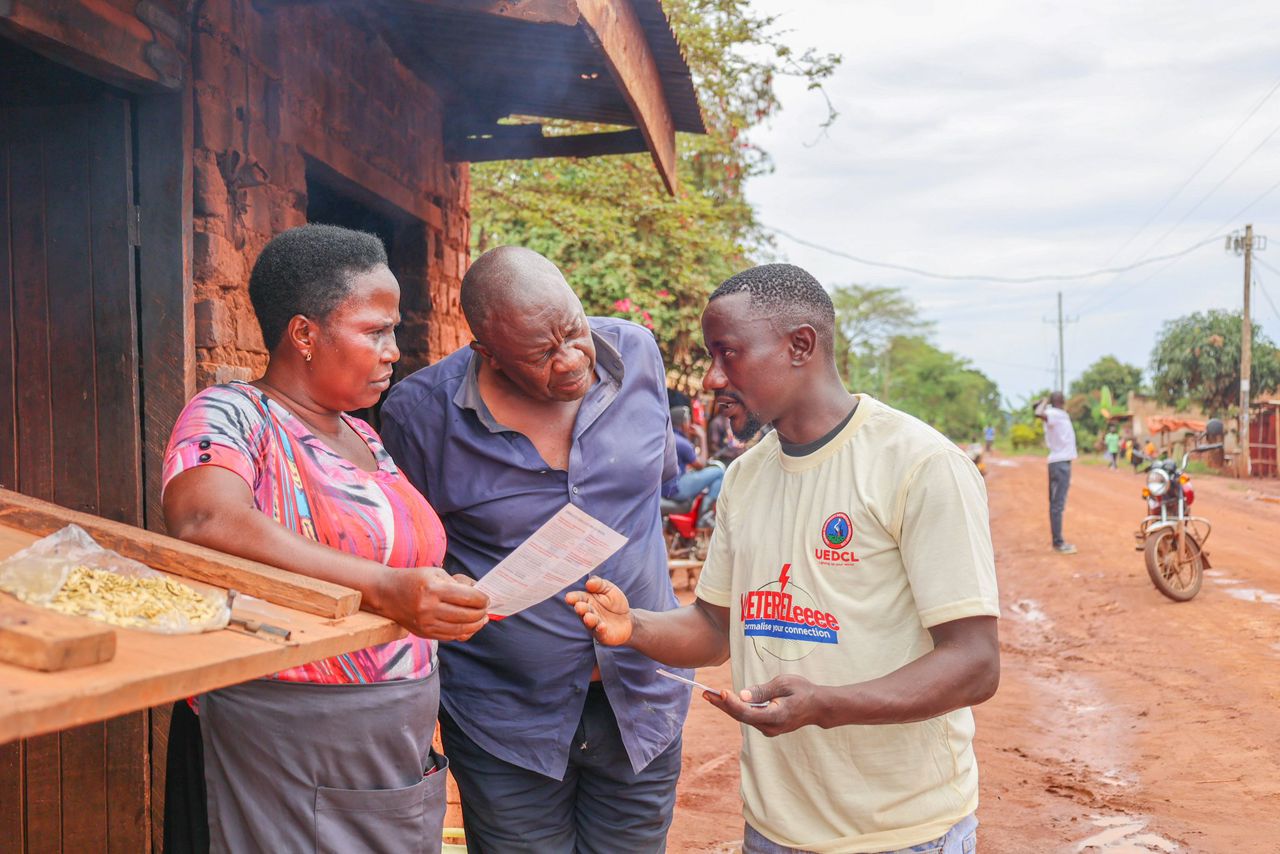
In a bold and forward-looking initiative, the Uganda Electricity Distribution Company Limited – UEDCL has extended a nationwide amnesty campaign, urging Ugandans with tampered, bypassed, or illegal electricity connections to regularize their supply — with no penalties — by 31 December 2025.
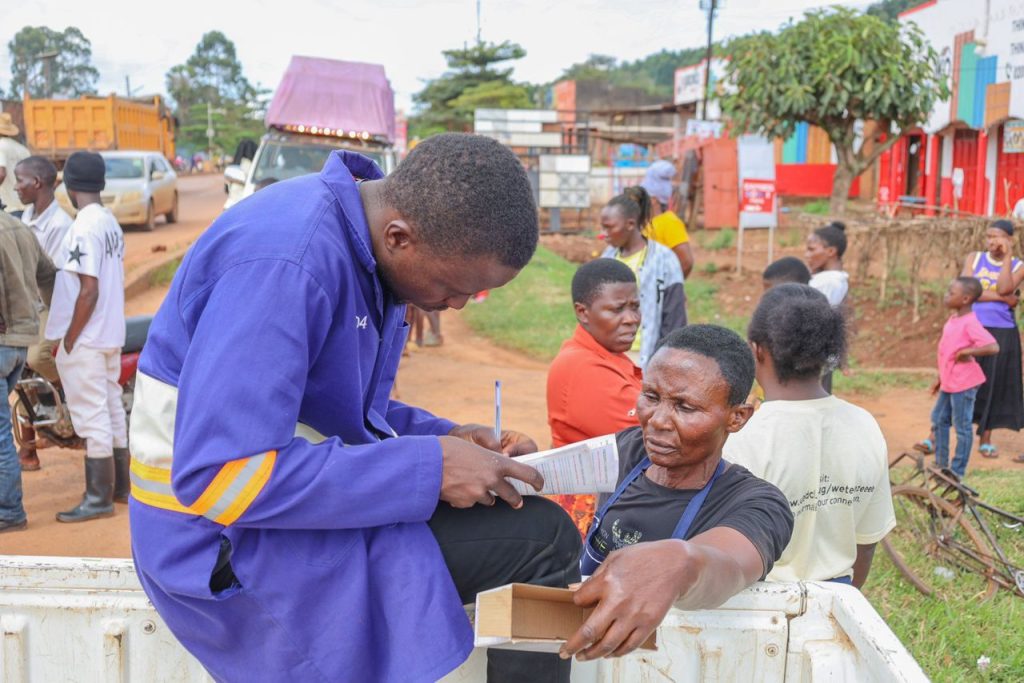
Dubbed “WETEREZeeee”, the campaign offers a rare opportunity: those who come forward to normalize their connections will be assisted by UEDCL, free from prosecution or financial penalty. The move marks a deliberate effort by UEDCL and the Ministry of Energy to clean up the system, reduce losses, and improve safety across Uganda’s power distribution network.
A Grace Period with Purpose
The WETEREZeeee campaign was first launched on 23 July 2025, originally giving users until 30 September 2025 to register and regularize their connections. But in response to strong demand and public appeal, the Ministry of Energy and UEDCL extended the window. The current deadline is 5 PM on 31 December 2025, giving more people a chance to come forward.

According to UEDCL, registration is completely free and can be done via their website. The campaign has already borne fruit: tens of thousands of people have voluntarily regularized their electricity supply since it began, converting previously illegal or unsafe connections into formal, metered ones.
Energy Minister Ruth Nankabirwa praised the initiative, noting that many people had resorted to illegal connections simply because meters were prohibitively expensive. For this reason, UEDCL is offering free charging meters to those who regularize during the amnesty period, she said.
However, she issued a firm warning: once the amnesty ends, “the full force of the law” will apply to offenders. Enforcements, prosecutions, disconnections and fines will resume after 31 December.
Why the Amnesty Matters: Beyond Forgiveness
There is more than just goodwill behind this campaign: UEDCL’s amnesty drive is a strategic effort to address long-standing challenges in Uganda’s electricity distribution. Illegal connections and tampered meters are not only unsafe — they also contribute to high system losses and hinder reliable service delivery.
By encouraging people to regularize, UEDCL is building a more transparent and accountable customer base. Formal meters mean accurate billing, better revenue collection, and improved safety. These benefits feed directly into UEDCL’s broader mandate of strengthening the national grid.
Moreover, the campaign aligns with UEDCL’s commitment to expanding access. In a separate pledge, UEDCL has promised to clear a backlog of over 127,000 pending connection requests by December 2025. This synergy suggests that the amnesty is part of a coordinated effort to modernize and expand Uganda’s electricity infrastructure under UEDCL’s renewed stewardship.