
South Sudan’s main opposition group has dismissed a recent Presidency meeting as illegitimate and rejected its decision to rule out any further extension of the country’s transitional period, describing the gathering as non-inclusive.
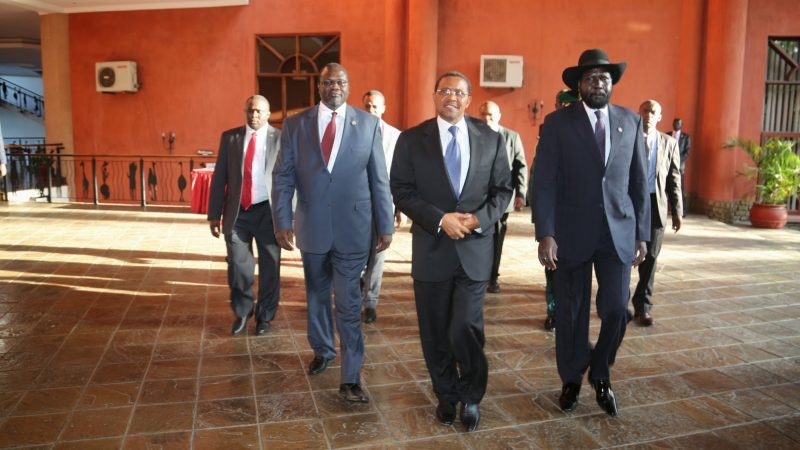
On Friday, the Minister of Presidential Affairs, Africano Mande Gedima, announced that the Presidency and senior leaders of parties signatory to the 2018 Revitalised Peace Agreement had agreed that elections must take place by December 2026. The meeting also included a splinter faction of the opposition SPLM-IO, formed in April 2025 and led by Peacebuilding Minister Stephen Par Kuol.
The decision followed a high-level meeting held on Wednesday and chaired by President Salva Kiir, which was attended by the country’s four vice presidents. During that meeting, leaders resolved to amend key provisions of the 2018 peace agreement by pushing processes such as constitution-making, a population census and institutional reforms beyond the election date in order to allow polls to proceed on schedule.
However, the SPLM-IO faction loyal to suspended First Vice President Dr Riek Machar issued a sharp response, rejecting the outcomes of the meeting. In a statement released on Friday, the group’s Political Bureau said the meeting lacked inclusivity and that its resolutions were therefore not binding.

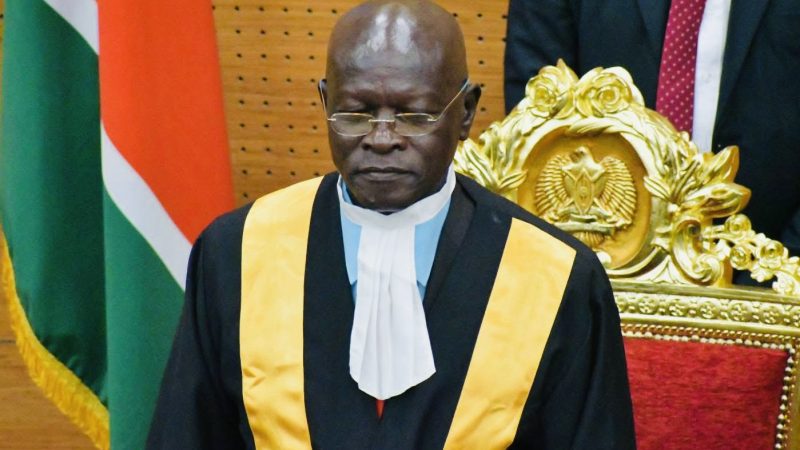
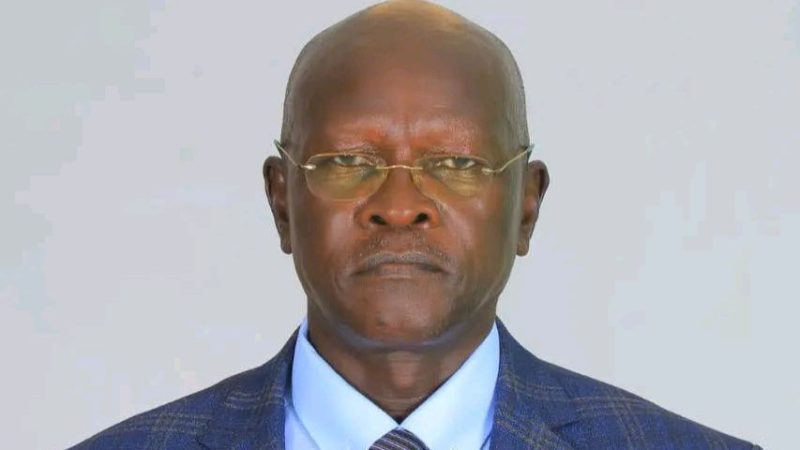
The statement, signed by the SPLM-IO’s Juba focal point, Eng. Joseph Malwal Dong, stressed that Dr Machar—who remains the party’s chairman and commander-in-chief—was excluded from the meeting while under house arrest and facing trial over the Nasir incident.
The group added that although other signatories to the peace agreement were present, no leaders from the mainstream SPLM-IO were invited to participate.
The opposition further criticised the composition of the High-Level Standing Committee tasked with overseeing the implementation of the peace deal. According to the SPLM-IO, President Kiir reconstituted the committee immediately after Dr Machar’s arrest in March, effectively removing the group’s representatives and leaving it without a voice.
The statement insisted that the Revitalised Peace Agreement cannot be amended without the participation and consent of the SPLM-IO as a principal signatory. It accused the government of using proposed amendments not to facilitate elections, but as part of a broader plan to undermine the agreement.
As a result, the SPLM-IO formally distanced itself from the resolutions of Wednesday’s meeting and the subsequent declaration by the Presidency.
South Sudan’s political transition, initiated under the 2018 peace deal, remains stalled, with major provisions yet to be implemented and relations between President Kiir and Dr Machar still severely strained.
Outstanding issues include the unification of armed forces, drafting of a permanent constitution, a national population census, the return of refugees, institutional reforms and election preparations.
In September 2024, the parties agreed to postpone elections from December 2024 to December 2026, extending the transitional period once again under the 2018 peace agreement.