

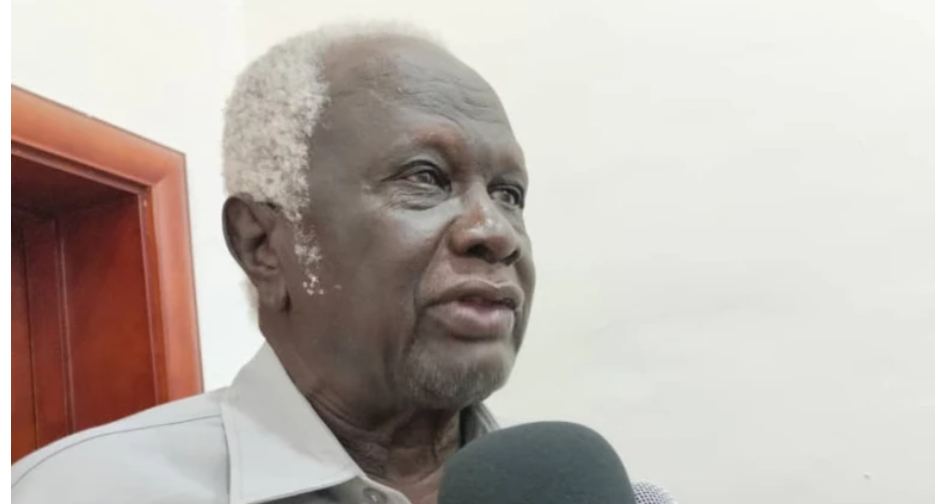
South Sudan’s National Election Commission (NEC) has reaffirmed its readiness to hold general elections in December 2026, highlighting significant strides in preparatory work, including the opening of offices in nearly all states and the upcoming release of a detailed electoral calendar later this month.
The fresh commitment comes after a press briefing on December 22, 2025, during which NEC Chairperson Prof. Abednego Akok Kachuol revealed that the elections would rely on the geographical constituency boundaries established for the 2010 polls.
In an interview with South Sudanese local broadcaster Radio Tamazuj on Tuesday, Prof. Akok called on citizens and political parties to gear up for the vote.
“During our December 22, 2025 announcement, we confirmed that the 2010 geographical constituencies will apply across the 10 states and three administrative areas,” he explained. “Sixty percent of seats will come from these constituencies, 25% from the women’s list, 15% from the party list, plus two reserved seats. This framework stems from a collective political agreement among the parties to the 2018 peace deal.”

He added that a comprehensive electoral roadmap is set to be made public before the month ends.
“We are on track to unveil the electoral timeline by the close of this month,” Akok stated. “It will kick off with civic education in February, then move into voter registration.”
The chairperson noted that most of the necessary electoral infrastructure is now operational.
“High Election Committee offices are fully functional in 10 states, with only Upper Nile State still pending completion during the current dry season,” he said.
“In the administrative areas, the formation of electoral administrative councils will require targeted legal adjustments.”
Regarding the legal groundwork for the elections, Prof. Akok indicated that steps are being taken to update relevant laws to suit the present national context, following consensus on certain amendments among the parties.
“The Ministry of Justice is revising the constitution and electoral legislation to make them appropriate for today’s realities,” he noted.
He rejected suggestions that funding shortages or logistical hurdles might prevent the polls from taking place, stressing that success hinges on sincere political will from the parties involved.
On personnel development, the NEC chief reported that international partners—including the UNDP and the UN mission—have already provided training to staff, with remaining capacity needs to be met in full.
Skeptics, however, express strong doubts.
Civil society figure Ter Manyang Gatwech argued that South Sudan is far from prepared for credible elections, pointing to persistent insecurity and unmet preconditions.
He challenged the NEC’s stance and urged renewed talks among the 2018 peace agreement signatories as the true priority.
“Public sentiment shows that under the prevailing dangerous conditions, neither civic education nor voter registration is feasible,” Gatwech said.
“Conflict continues in Jonglei and Unity states, and Upper Nile teeters on the edge. Rather than pushing for elections, Prof. Abednego should champion dialogue to unite the political leaders. Any vote held amid this instability will lack legitimacy in the eyes of South Sudanese.”
27 thoughts on “South Sudan Electoral Body Insists December 2026 Elections Remain on Track”
Comments are closed.