
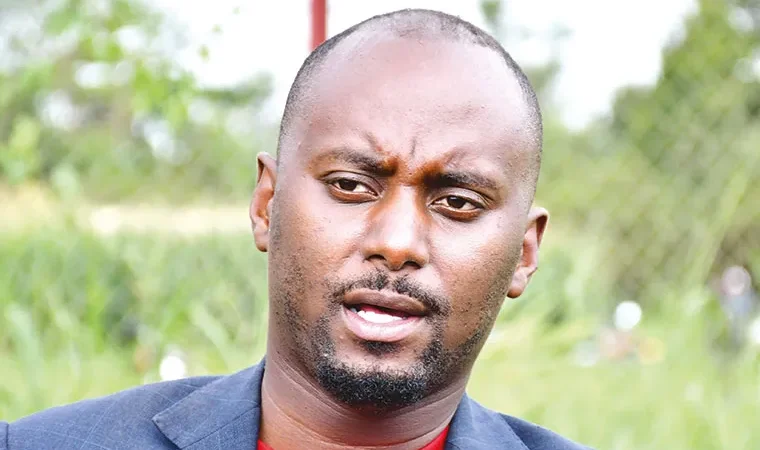
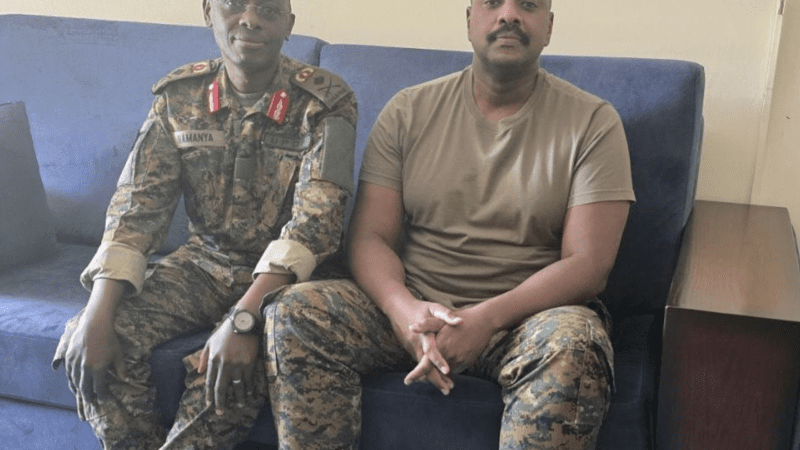


Ten days after the Electoral Commission declared President Yoweri Kaguta Museveni the winner of Uganda’s 2026 presidential election with 71.65 percent of the vote, debate around the outcome remains intense. While opposition figures continue to reject the results as fraudulent, a new analytical report by political researcher Abel Mwenda argues that the ruling National Resistance Movement’s (NRM) victory was largely secured long before voters went to the polls.
In his report, Anatomy of a Victory, Mwenda contends that the NRM executed a calculated, multi-layered strategy that reshaped the electoral environment months ahead of voting day, making an opposition win statistically unlikely.
Opposition Fragmentation and the “Mole” Factor One of the report’s most controversial findings is what Mwenda describes as deep-rooted opposition fragility. Beyond the widely noted failure by the National Unity Platform (NUP) and the Forum for Democratic Change (FDC) to form a united front, the report alleges the presence of covert operatives—referred to as “moles”—within opposition ranks.
According to Mwenda, some senior opposition figures and polling agents quietly worked in the interests of the incumbent, undermining coordination and leaking strategic information. This, he argues, enabled the NRM to anticipate and neutralize opposition tactics, contributing to the loss of several key parliamentary seats.

PDM, Emyooga and the Politics of Mobile Money While urban voters focused heavily on issues such as civil liberties and the internet shutdown, Mwenda notes that rural voting patterns were shaped more by immediate economic considerations. Programs like the Parish Development Model (PDM) and Emyooga, he argues, created a direct and tangible connection between the state and ordinary citizens.
Funds distributed through mobile money platforms gave beneficiaries a sense of immediate economic relief, turning the election into what Mwenda describes as a referendum on livelihood security rather than abstract political change.
Western Uganda: Tactical Control and Silent Ground Mwenda’s analysis of Western Uganda is particularly blunt. He argues that the NRM consolidated its dominance in the region by weakening opposition presence at polling stations. The report alleges that in some areas, opposition agents were either compromised or intimidated into abandoning their posts.
The result, Mwenda notes, was polling stations that reported overwhelming margins in favor of President Museveni with little or no opposition oversight. While critics label such outcomes as electoral malpractice, Mwenda frames them as a combination of opposition logistical failure and effective ruling-party territorial control.
Refugees as an Emerging Voting Bloc Another notable dimension of the report is its focus on Uganda’s refugee population, one of the largest globally. Mwenda argues that many long-term refugees from Rwanda, the Democratic Republic of Congo, and South Sudan—some of whom have acquired citizenship—view Museveni as a guarantor of stability.
For this group, the report suggests, voting was less about domestic political contestation and more about preserving peace and protection, making them a largely pro-incumbent bloc.
Beyond the Ballot Mwenda concludes that unless the opposition addresses internal sabotage and develops grassroots networks capable of matching the NRM’s patronage-driven outreach, similar electoral outcomes are likely in the future.
Looking ahead, the report identifies the youth demographic—nearly 70 percent of Uganda’s population—and the widening urban-rural divide as the ruling party’s key long-term challenges. Still, Mwenda argues that Museveni’s seventh term was secured not merely through election-day dynamics, but through a strategic architecture built well in advance.