

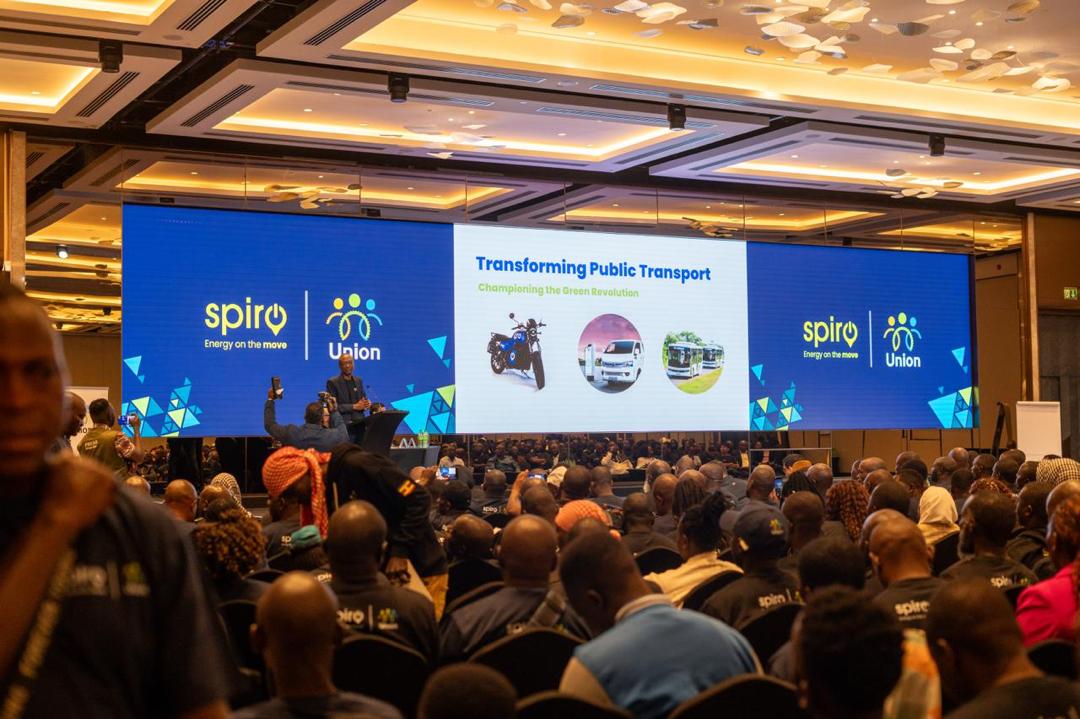
The United Boda Boda Riders Cooperative Union has announced an ambitious plan to roll out up to 100,000 electric motorcycles across Uganda within the year, marking a major step toward cleaner transport and improved livelihoods for riders.
The announcement followed a two-day international leadership retreat held in Dubai from January 31 to February 1, 2026, which brought together more than 1,000 union leaders, transport partners and electric mobility stakeholders. The retreat, hosted by electric vehicle manufacturer Spiro, coincided with the Union’s first anniversary and focused on transforming Uganda’s largely informal transport sector through electrification, financing and digital systems.
Speaking at the event, Fred Ssenoga, the Union’s Business Product Advisor and Managing Director, said the organisation is accelerating its electric mobility agenda, with plans to deploy between 50,000 and 100,000 electric motorcycles this year. He added that the Union intends to expand battery swapping infrastructure to about 2,000 stations nationwide to support the growing fleet.
Beyond motorcycles, the Union is preparing to extend electric transport to taxis and buses in partnership with Kira Motors Corporation. According to Ssenoga, the broader vision is to create a sustainable, climate-friendly transport ecosystem that benefits both riders and the wider economy.

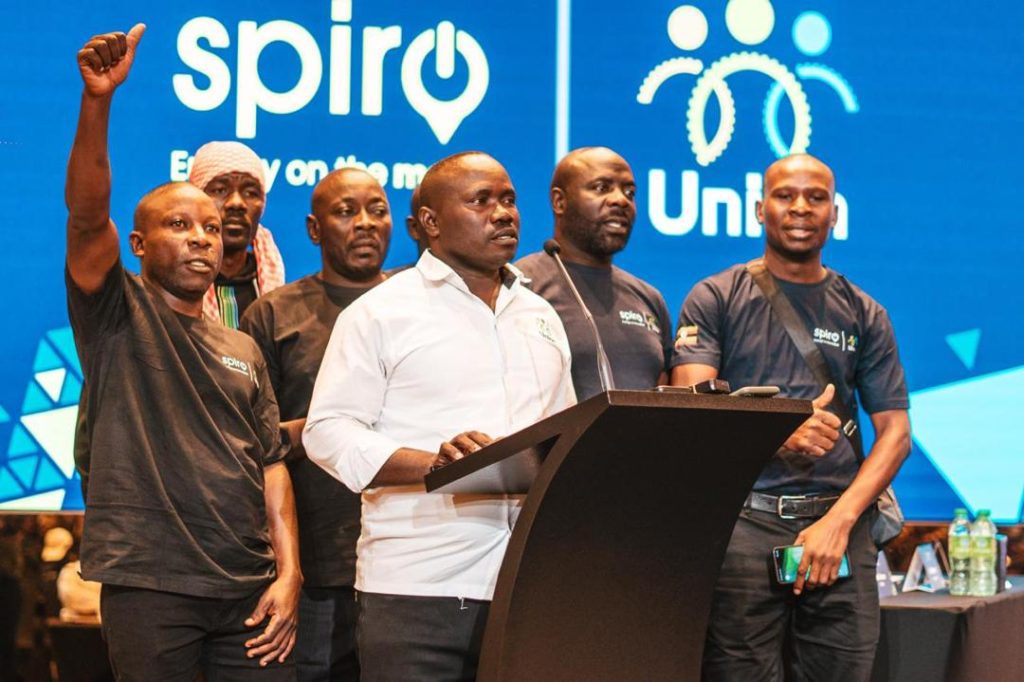
The Union’s partnership with Spiro has already delivered tangible results. To date, more than 16,000 electric motorcycles have been deployed across Uganda, supported by over 300 battery swap stations and more than 1,000 service centres. Spiro Chief Executive Officer Kaushik Burman said expanding the swap network to over 2,000 locations could create between 5,000 and 6,000 new jobs, while also opening opportunities for riders to become dealers, service operators and business partners.
Spiro Board Chairman Gagan Gupta described the collaboration as a long-term investment in people and sustainability, noting that Uganda has become a key market for emissions reduction and economic inclusion. He confirmed that commitments are already in place to support the rollout of at least 50,000 electric motorcycles.
Engineer Kavuma from Kira Motors Corporation revealed that plans are underway to introduce Union-branded electric taxis and buses, with the Union leadership considering the acquisition of 240 electric buses in the first quarter of 2026. The Union has also disclosed targets to deploy up to 100,000 electric taxis within the next year, supported by partnerships with financial institutions, telecom companies and media organisations.
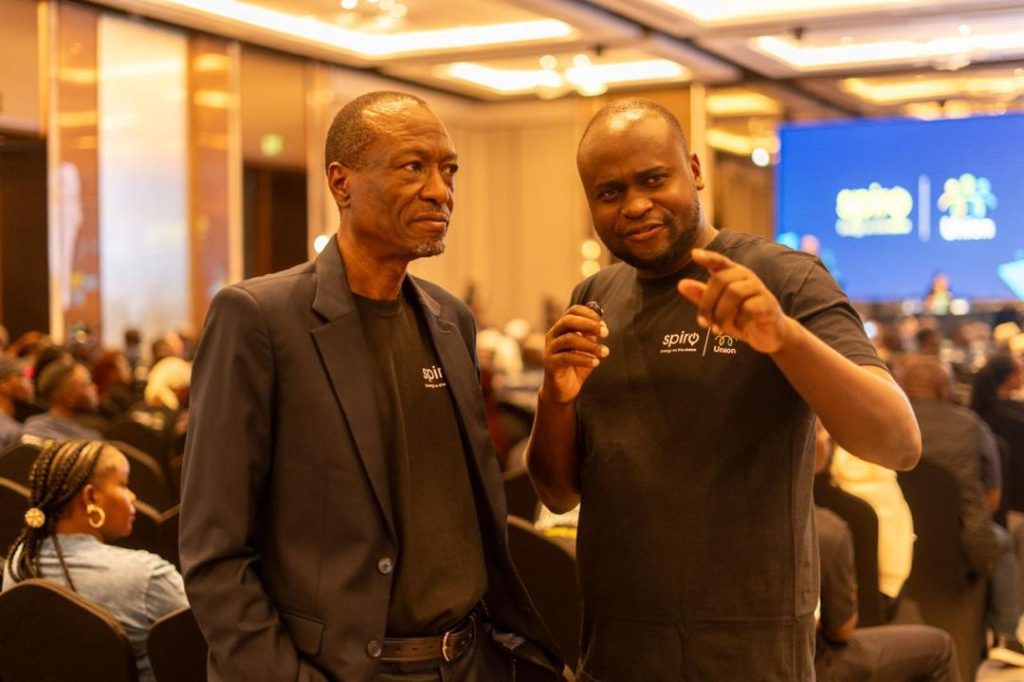
In addition to transport, the Union used the Dubai retreat to showcase financial and social products designed to improve long-term economic security for members. Through the Union App, riders can access asset financing for motorcycles, smartphones and land, including electric motorcycles priced at Shs 7.25 million after an initial deposit. Riders who have switched to electric motorcycles are reportedly saving about Shs 5,000 per day on fuel costs.
Housing emerged as another key focus area. The Union announced plans for member housing projects and the establishment of basic “Union villages” across Uganda’s 72,000 villages. A partnership with Housing Finance Bank under the “Zimba Mpola Mpola” scheme will provide loans for land acquisition and home construction. Housing Finance Bank Executive Director Peace Ayebazibwe said the collaboration aims to support jobs, affordable housing and sustainable businesses.
The Union has also integrated its platform with the National Social Security Fund, allowing riders to make retirement contributions directly through the app.
Reflecting on the organisation’s growth since its formation in January 2025, Ssenoga said the Union has evolved from a boda boda professionalisation initiative into a broader transport and economic platform.
“What started as a bold idea has grown into a system that promises better livelihoods for Uganda’s largest workforce,” he said, adding that organising boda bodas, taxis and buses under structured systems could turn the transport sector into a powerful economic engine for the country.