




A Ugandan national is among dozens injured in Iran’s retaliatory missile and drone strikes on the United Arab Emirates, the UAE Ministry of Defence confirmed Sunday.
Iran’s Islamic Revolutionary Guard Corps launched intensified attacks on US military bases across the Middle East following the killing of Supreme Leader Ali Khamenei and several senior commanders.
The barrage targeted UAE territory, prompting large-scale interceptions by UAE Air Force and Air Defence systems.
According to the ministry, since the attacks began, UAE forces intercepted 165 ballistic missiles, two cruise missiles, and 541 drones.

On Sunday alone, they destroyed 20 ballistic missiles (with eight falling into the sea), two cruise missiles, and 311 drones.
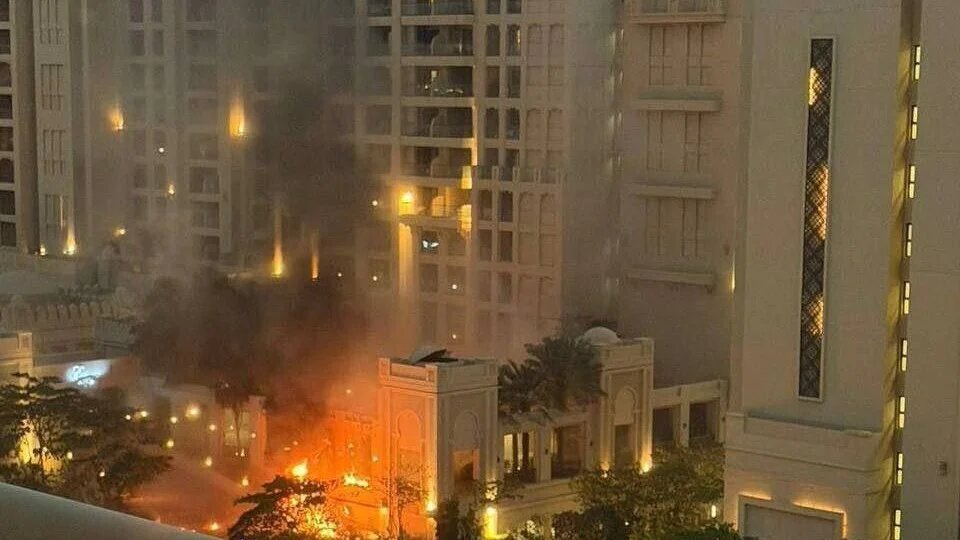
Despite the high interception rate, 21 drones struck civilian targets.
Of the 541 detected drones, 506 were neutralised, while 35 landed inside the country, causing material damage. Debris from intercepted projectiles also impacted various areas.
The ministry reported three fatalities — Pakistani, Nepali, and Bangladeshi nationals — and 58 people with minor injuries, including nationals from Egypt, Ethiopia, the Philippines, Pakistan, Iran, India, Bangladesh, Sri Lanka, Azerbaijan, Yemen, Eritrea, and one Ugandan.
Names of the injured have not been released.Civilian infrastructure sustained minor to moderate damage, with hotels, airports, and residential homes affected.
Air travel has been severely disrupted, prompting the UAE government to direct all hotels in Abu Dhabi to extend stays for stranded guests, with costs covered by the Department of Culture and Tourism.
In Uganda, the Ministry of Foreign Affairs Permanent Secretary Vincent Bagiire issued an advisory over the weekend, urging citizens to suspend travel to affected countries until further notice.
Bagiire confirmed Ugandan nationals are among those stranded in UAE hotels due to flight suspensions. He advised Ugandans in Iran to exercise extreme caution and leave if possible.
Non-essential staff have been withdrawn from the Ugandan Embassy in Tehran, and consular services are limited amid heightened insecurity.
The attacks mark a sharp escalation in regional tensions, with the UAE and its allies continuing defensive operations while international calls for de-escalation grow.