


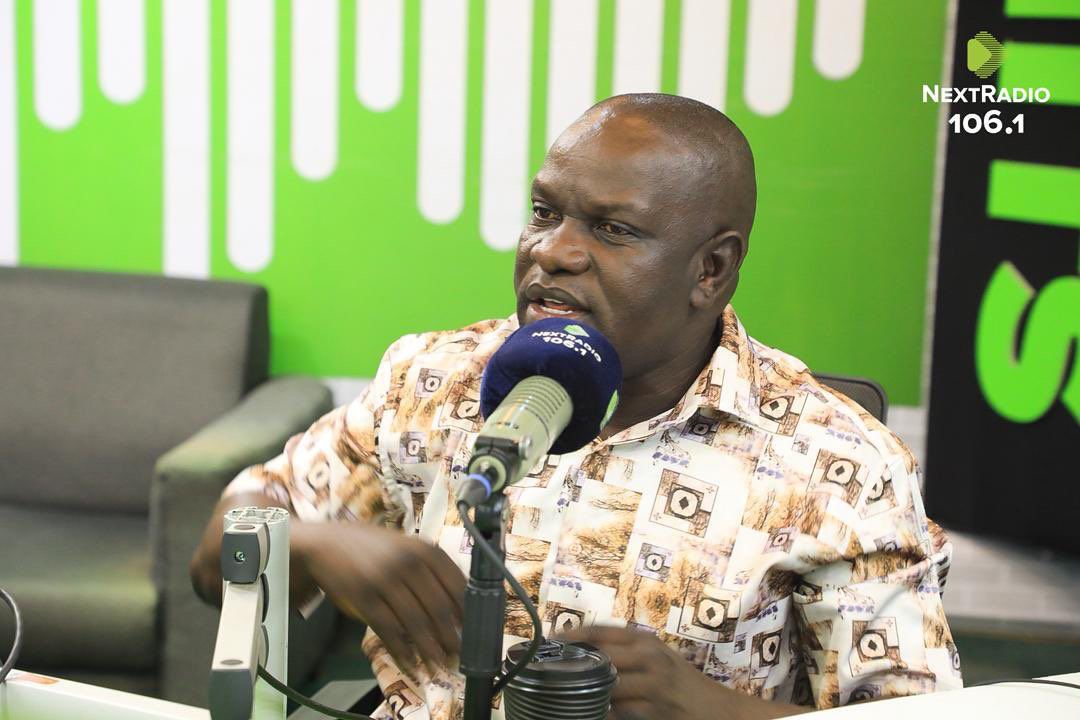
Former Jinja Municipality East MP and incoming Jinja South East MP-elect Paul Mwiru has raised alarms that the Administration of Parliament (Amendment) Bill, 2024—a private member’s bill introduced by Mityana County South MP Richard Lumu—is politically motivated and specifically aimed at undermining the National Unity Platform (NUP)’s dominance in opposition leadership within Uganda’s Parliament.
Speaking during an interview on Next Radio’s Next Big Talk program on Wednesday, March 11, 2026, Mwiru described the proposal as driven by “ego and some anger” rather than genuine institutional reform.
“What Hon. Richard Lumu is trying to do with the Bill, to me, is not informed by any mischief he is trying to correct. It is driven by ego and some anger,” Mwiru stated.
The bill seeks to amend the current system for appointing the Leader of Opposition in Parliament (LoP). Under existing rules, the largest opposition party automatically designates the LoP.

Lumu’s amendment proposes shifting to an electoral model where all opposition MPs (including independents and smaller parties) vote to select the LoP, which supporters argue would democratize the process, promote inclusivity, ensure fair resource distribution, and simplify the LoP’s role.
Mwiru countered that the change would erode NUP’s influence—the party holds the largest opposition bloc following the 2026 elections—and allow the ruling National Resistance Movement (NRM) indirect control over opposition leadership.
“The Administration of Parliament (Amendment) Bill is intended to control the Leader of Opposition by the ruling party in Parliament,” he warned.
“If the Richard Lumu Bill passes, I see the NRM determining who becomes the Leader of Opposition in Parliament.”
He pointed to broader patterns where many opposition parties already face NRM influence through cooperation arrangements or memoranda of understanding (MOUs), suggesting the bill would further weaken genuine opposition independence and accountability.
Opposition groups, including NUP, the Forum for Democratic Change (FDC), and the Alliance for National Transformation (ANT), have rejected the bill as drafted in bad faith, warning it could fracture opposition unity and diminish effective checks on government power.
In response, Brandon Kintu, spokesperson for the NRM Caucus, defended the proposal as aimed at “strengthening and building harmony within the opposition in Parliament.”
He urged lawmakers to study the bill carefully and noted that if concerns about its pace or content prove valid, further consultation could be warranted.
The controversial bill is scheduled for its third and final reading on Thursday, March 12, 2026, amid heightened political tensions as Parliament prepares for the new session.
Critics have noted its unusually rapid progression compared to other stalled parliamentary reform proposals.
The debate underscores ongoing contestation over opposition cohesion, parliamentary leadership structures, and the balance of power in Uganda’s legislature ahead of the 12th Parliament’s convening.