
Veteran Ugandan opposition leader and former presidential candidate Dr. Kizza Besigye has threatened to boycott his ongoing treason trial, protesting what he describes as unfair treatment, delayed evidence disclosure by the prosecution, and preferential scheduling for state applications.
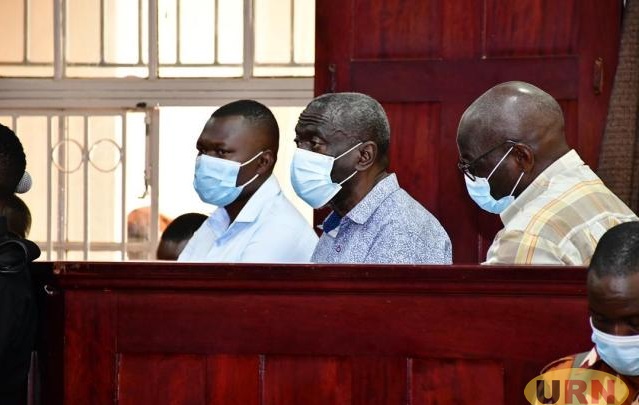
Appearing before Justice Emmanuel Baguma at the High Court Criminal Division on Thursday, March 12, 2026, Besigye voiced frustration from the dock during proceedings involving an application by the prosecution to conceal the identities of six key witnesses (labeled A through F) for security reasons.
The application, filed on Wednesday, was scheduled for hearing just hours later—prompting sharp objections from the defense over unequal treatment.
Besigye complained that prosecution applications are fast-tracked and heard promptly, while defense filings remain pending for months without similar urgency.

He noted he had not even received a copy of the concealment application in advance and highlighted repeated non-compliance with court orders for full evidence disclosure.
“I am extremely concerned about continuing to dismiss our concerns. You are hearing an application which myself I have not seen,” Besigye told the court.
He suggested he could opt to stay home and allow the judge to proceed ex parte, effectively boycotting future sessions unless fairness is guaranteed.
“If you continue treating us unfairly, we will stop coming to court,” he warned.
His lead lawyer, Erias Lukwago, detailed the prosecution’s failure to meet earlier disclosure deadlines, including evidence due on January 21, promised materials by March 3 (delivered late and incomplete on March 4), and forensic reports plus a flash disk provided after deadlines.
Witness statements were filed on March 11 but lacked full details such as names, residences, or key particulars.
Other defense counsel—including Ernest Kalibala, Eron Kiiza, Kenyan lawyer Martha Karua (representing Besigye), and Hanifa Namakula (for co-accused Denis Oola)—echoed concerns over improper service, lack of time to consult clients, and risks to cross-examination if witness identities are concealed without justification.
Karua highlighted the disparity: Besigye’s bail applications have never been scheduled with similar speed, underscoring preferential treatment for the Director of Public Prosecutions.
Prosecutors, led by Assistant Director of Public Prosecutions Thomas Jatiko, justified the concealment request due to credible threats against the witnesses (including from alleged accomplice Frank Kihehere) and argued their testimony is crucial, supported by audio/video recordings, messages, immigration records, and phone logs.
They confirmed filing statements but opposed full early disclosure for safety.
Justice Baguma questioned the delays, ordered formal service to all defense lawyers, set timelines for responses (defense by March 26, prosecution rejoinder by March 30), and scheduled the next mention for March 31, 2026.
He initially proposed longer timelines but vacated them after defense objections for lack of fairness.
Besigye, jointly charged with Obeid Lutale and Captain Denis Oola with treason, faces allegations of plotting to overthrow the government through meetings in Geneva, Athens, Nairobi, and Kampala to solicit funds, acquire weapons (including surface-to-air missiles and ricin poison), and organize paramilitary training (36 Ugandan recruits allegedly intercepted in Kisumu, Kenya).
The case has drawn international attention amid claims of political persecution.Besigye has been detained for over a year, with the trial marked by procedural disputes.
His threat to boycott remains unexecuted as of the latest reports, but it underscores deepening concerns over judicial fairness in high-profile opposition cases.