


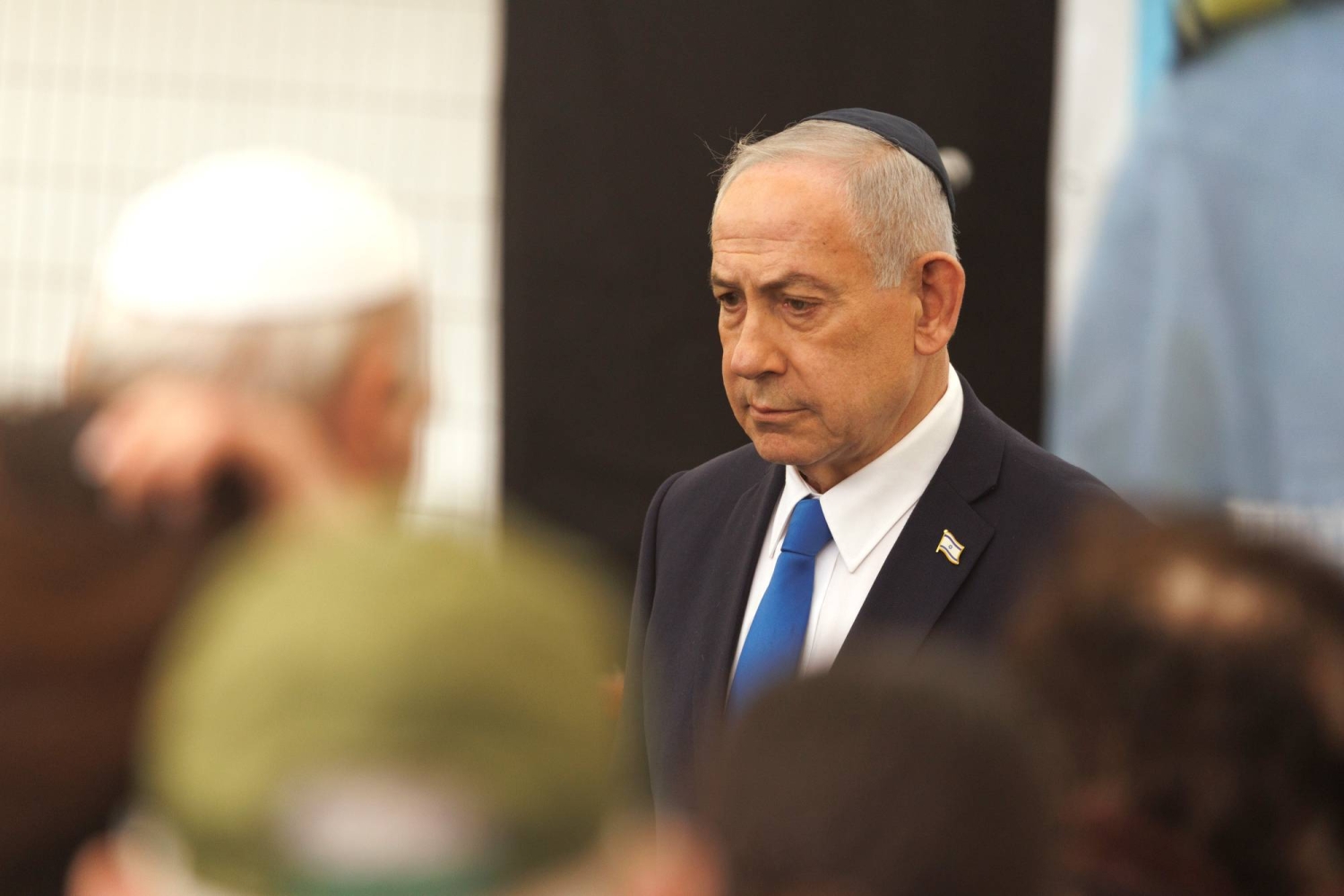
The U.S.-Israel-Iran conflict escalated into its 16th day on March 16, 2026, with Iran’s Islamic Revolution Guard Corps (IRGC) vowing to pursue and kill Israeli Prime Minister Benjamin Netanyahu amid ongoing military exchanges.
Iran’s Foreign Minister Seyed Abbas Araghchi declared that the Strait of Hormuz—a critical chokepoint for global oil shipments—remains open to all vessels except those from the United States and its allies.
This effective restriction follows U.S. President Donald Trump’s threat to target Iran’s oil infrastructure on Kharg Island if shipping disruptions continue.
No immediate physical blockade has been enforced, but the policy heightens risks for U.S.-linked tankers.

Araghchi accused the U.S. and Israel of launching attacks from regional locations against Arab states in West Asia while framing Iran as the aggressor.
He proposed forming a joint committee with regional nations to investigate targeted sites and called for dialogue to de-escalate.
He also affirmed no defections within Iran’s leadership and confirmed Supreme Leader Mojtaba Khamenei remains in full control and good health.
Separately, Ebrahim Azizi, head of Iran’s parliamentary national security committee, declared Ukraine a legitimate target due to its alleged drone support for Israel in the conflict against Iran.
The IRGC’s threat against Netanyahu comes as Israel reported striking over 200 targets in Iran, including command centers and weapon sites, with military spokesperson Effie Defrin indicating plans for at least three more weeks of operations involving “thousands of targets.”
U.S. President Trump rejected ceasefire proposals, stating on NBC News that Iran’s terms are “not good enough yet” and must be “very solid.”
U.S. Energy Secretary Chris Wright clarified that strikes targeted only military infrastructure on Kharg Island, not energy assets.
Regional leaders urge restraint.
Iraq’s Prime Minister Mohammed Shia’ al-Sudani and Egypt’s President Abdel-Fattah al-Sisi called for international action to halt escalation.
Britain’s Energy Secretary Ed Miliband blamed the Strait restrictions for oil and gas price spikes harming the global economy.
Incidents across the region include drone attacks on the UAE consulate in Iraq (two wounded), Kuwait’s air base and airport (equipment damage, no injuries), and Bahrain intercepting missiles/drones.
Pro-Iran militias in Iraq conducted 24 operations. Lebanon’s death toll from Israeli attacks reached 850, with 2,105 injured.
Bahrain’s aluminum smelter shut down operations due to the crisis.
The conflict has driven sharp rises in global energy prices, with analysts warning of further economic fallout if the Strait remains restricted. Calls for de-escalation and dialogue persist from multiple capitals amid fears of wider regional involvement.