

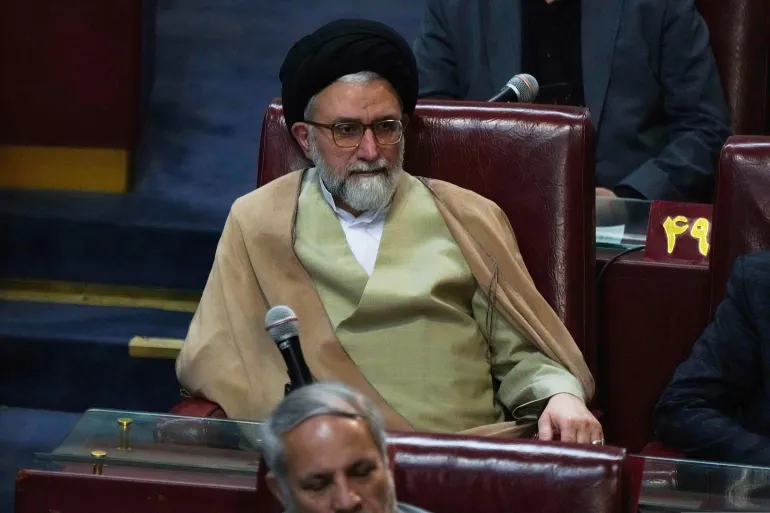
Israeli Defense Minister Israel Katz announced on March 18, 2026, that Iranian Intelligence Minister Esmaeil Khatib was killed in an overnight Israeli strike in Tehran, marking another high-profile assassination amid the ongoing U.S.-Israel-Iran conflict now in its 16th day.
Speaking during a situation assessment with senior military officers, Katz stated: “Khatib was in charge of the regime’s internal assassination and repression system in Iran and of promoting external threats.”
He added that Prime Minister Benjamin Netanyahu and he had authorized the military to target any senior Iranian official “cornered, by intelligence or operation, without the need for further authorization.”
The Israel Defense Forces (IDF) confirmed Khatib’s death in a separate statement, describing it as a “targeted strike” in the Iranian capital.

Katz warned of “significant surprises” expected in the Iran and Lebanon arenas, describing the war against Iran and Hezbollah as entering its “final, decisive phase.”
This follows the recent killing of Iran’s top security official Ali Larijani (secretary of the Supreme National Security Council) and other senior figures in strikes earlier in the week.
Iran has not yet issued an official confirmation or denial of Khatib’s death, though state media and officials have previously condemned similar Israeli actions as acts of aggression.
The strike escalates tensions in the broader conflict, which has seen intensified Israeli operations against Iranian military infrastructure, nuclear-related sites, and leadership targets, alongside Iranian missile barrages on Israeli cities and restrictions on shipping through the Strait of Hormuz.
U.S. involvement includes support for Israeli operations and threats against Iranian oil facilities.
Katz emphasized the authorization for preemptive eliminations, signaling potential further targeted killings.
No additional details on the strike method, exact location in Tehran, or collateral casualties were provided in the announcements.
The development comes amid regional calls for de-escalation from leaders in Iraq, Egypt, and other countries, while global energy markets react to heightened risks in the Persian Gulf.
Oil prices have surged due to fears of disruptions, with analysts warning of broader economic fallout if the conflict widens.