
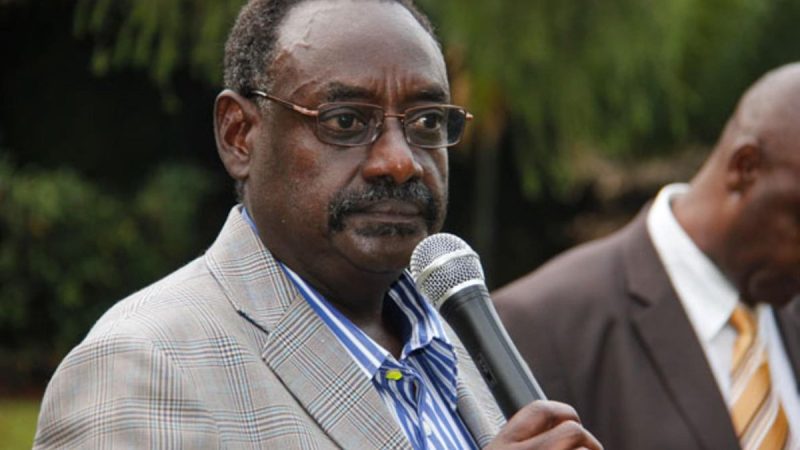


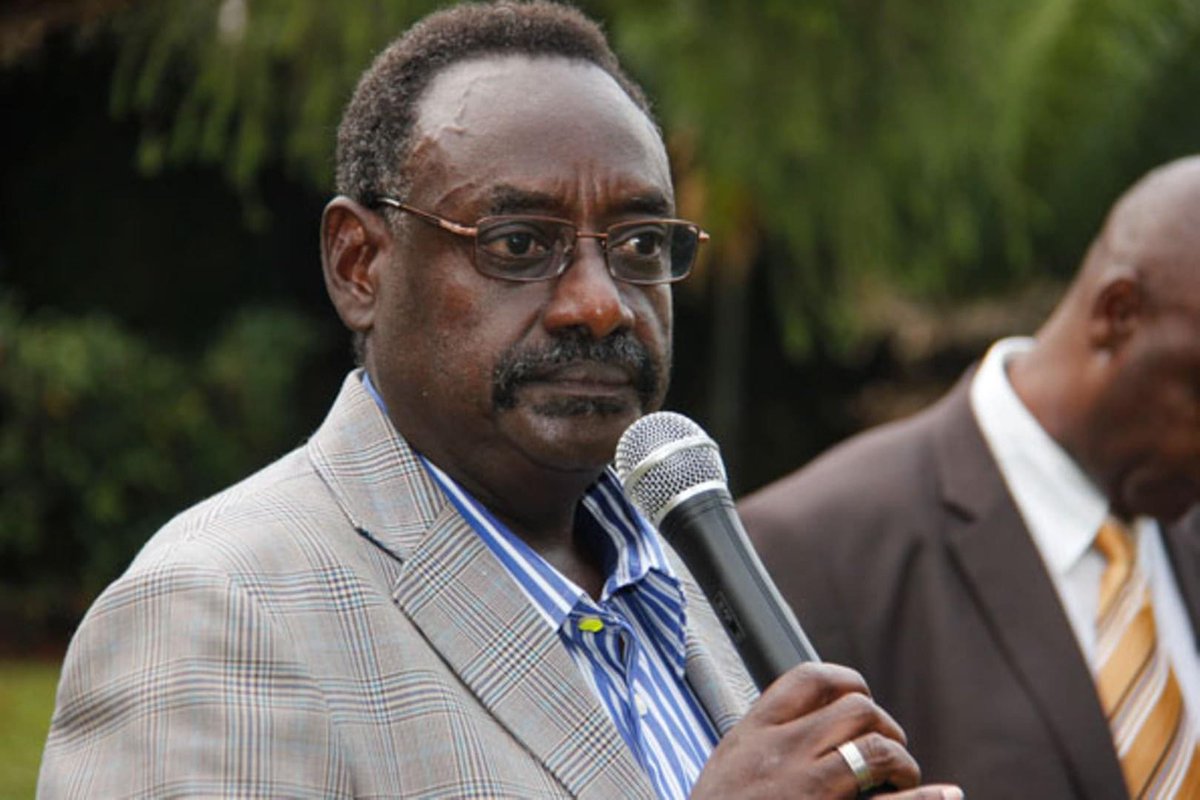
Former Ugandan intelligence chief Gen. David Sejusa (also known as Tinyefuza) has defended his 2013 decision to seek exile in the United Kingdom, rejecting accusations that it endorsed Western imperialism or neo-colonialism.
In a strongly worded social media statement, Sejusa responded to renewed criticism—sparked by journalist Timothy Kalyegira—questioning why he bypassed African nations like Tanzania or Kenya and went directly to London, appearing on Western media like the BBC.
Sejusa framed the choice as pragmatic rather than ideological: “We don’t run to Tanzania, or Kenya, or wherever, not because we love being exploited by Britain and America. But because we know it’s them with power to protect us… It is a result of pure power dynamics.”
He drew biblical analogies to justify seeking refuge in dominant powers, referencing the flight of Jesus’ family to Egypt for safety and the Apostle Paul’s appeal to Rome for justice, arguing such actions do not imply allegiance to those systems.

Sejusa fled Uganda in 2013 after authoring a controversial letter alleging a covert succession plan—the “Muhoozi Project”—to position President Yoweri Museveni’s son, Gen. Muhoozi Kainerugaba, as successor.
He claimed opponents, including himself, faced assassination risks.
The government denied the claims.
Sejusa formed the Freedom and Unity Front in exile in London. He returned to Uganda in December 2014, renounced violence, and was allowed to stay without immediate arrest, though his political activities have remained limited or critical of the regime.
The recent defense revives debates on African sovereignty, reliance on Western asylum for political protection, and the tensions between rejecting neo-colonialism and using global power structures for survival in domestic struggles.
No immediate response from government officials or critics was noted in the report.