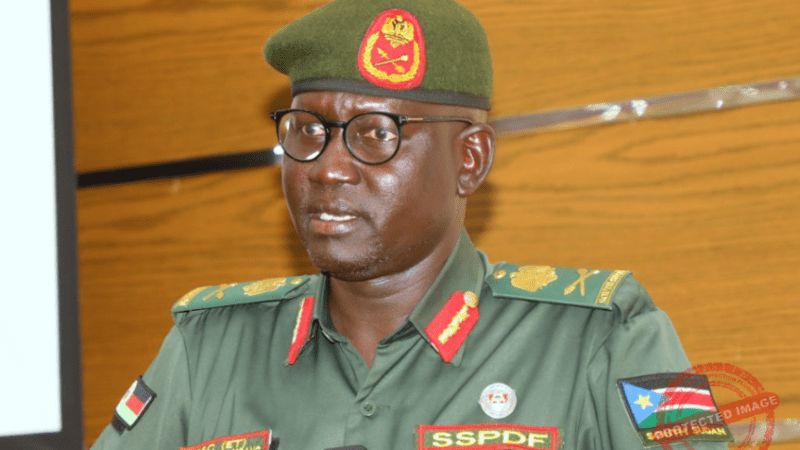





Authorities in South Sudan have arrested four soldiers from the South Sudan People’s Defense Forces (SSPDF) after discovering a significant quantity of bush meat hidden inside a military ambulance along the Juba–Bor road.
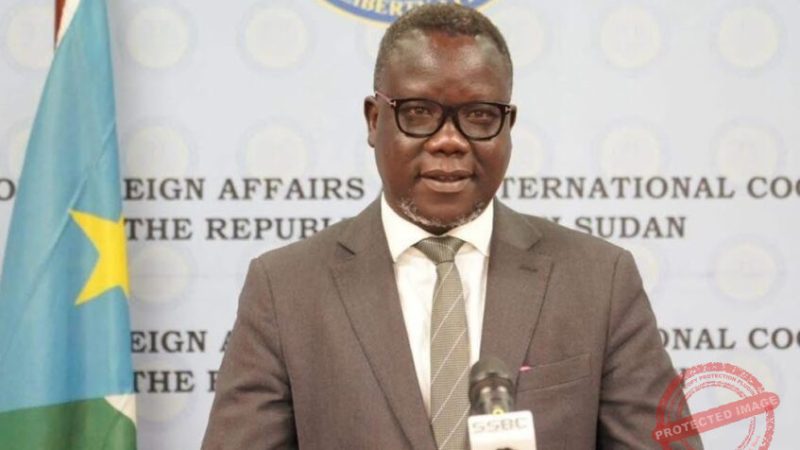
Maj. Gen. Khamis Adiang Diing, Director General of Wildlife Conservation and Tourism, condemned the incident as a grave breach of wildlife protection laws and a major blow to ongoing conservation initiatives.
“Using a military ambulance to transport bush meat represents a serious violation of wildlife protection laws and directly undermines national conservation efforts,” Adiang said.
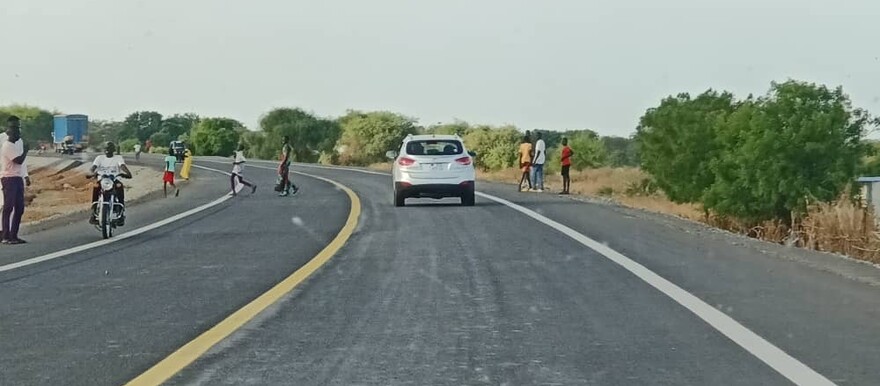
He noted that illegal wildlife trade along the Juba–Bor road has become an increasing problem, adding that wildlife authorities will keep collaborating with security agencies to stop the activity.

The four suspects remain in custody as investigations proceed to trace the source of the bush meat and identify any possible accomplices.
Officials indicated that the soldiers could face prosecution under South Sudan’s wildlife protection laws.
“No individual is above the law,” Adiang emphasized.
“If investigations establish any wrongdoing, those responsible will face legal consequences regardless of their rank or affiliation.”
He stressed that safeguarding the country’s wildlife demands strong collaboration between communities, law enforcement, and conservation bodies to dismantle poaching and illegal trafficking networks.
Wildlife officials have frequently cautioned that the unregulated bush meat trade endangers biodiversity, hampers conservation work, and creates public health risks due to the handling and movement of wild animal products.
In recent years, similar enforcement operations along key transport routes, including the Juba–Bor highway, have led to multiple arrests and the seizure of substantial amounts of bush meat.
The SSPDF has not yet publicly named the arrested soldiers.
However, the military has repeatedly stated that it will not tolerate any involvement by its personnel in wildlife crimes and that offenders will be held accountable.
South Sudan boasts some of Africa’s most important wildlife populations, yet conservationists continue to warn that poaching and illegal wildlife trafficking pose severe threats to the nation’s natural heritage.