


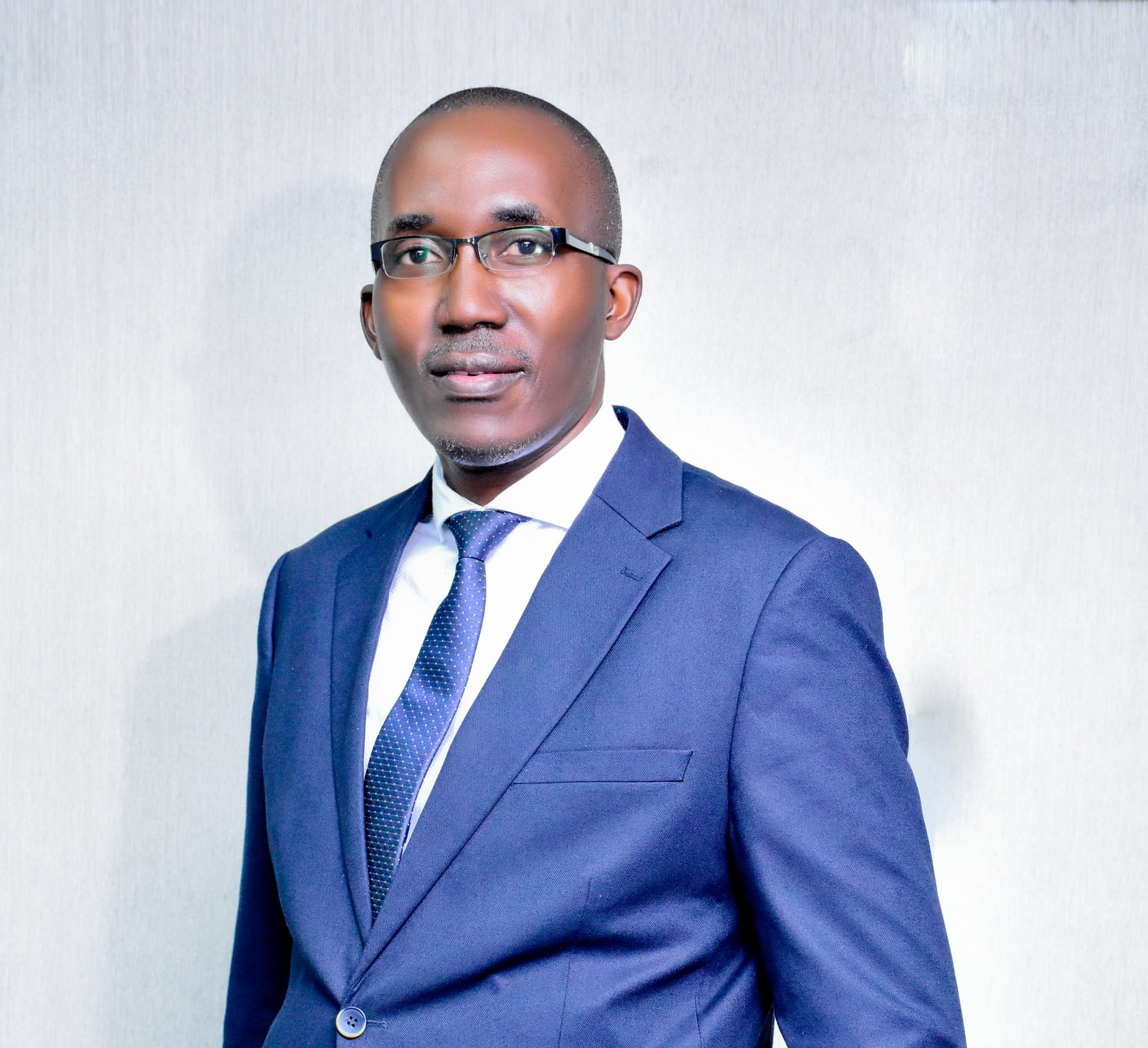

The High Court in Jinja has ordered a magistrate’s mother and brother to pay him Shs20 million in general damages after ruling that they defamed him by accusing him of forgery, fraud, theft and abuse of judicial office.
In a judgment delivered on 1 September 2026, Justice Joanita Bushara also directed the defendants to pay interest on the sum at the court rate of six per cent per annum from the date of the judgment until full settlement, together with the costs of the suit.
The claim was brought by Steven Johnson Waidhuuba, a magistrate serving in the Judiciary of Uganda, against his biological mother, Lovisa Ayazika, and his brother, Balondemu Andrew.
The conflict stemmed from a family dispute concerning the estate of Waidhuuba’s late father, specifically land located in Kasolo, Bwanalira Village, Iganga District.
The court found that the defendants had alleged Waidhuuba forged powers of attorney and his late father’s will in order to seize control of family property and a bank account.
These claims were shared in letters sent to the Judicial Service Commission (JSC), the Directorate of Criminal Investigations (CID), local leaders, relatives and online platforms.
Justice Bushara held that the statements were defamatory because they directly undermined Waidhuuba’s integrity as a judicial officer.
“The statements in question, as contained in the letters and online publications, are replete with accusations that impute criminal conduct and professional misconduct,” she stated.
She referred to a letter dated 19 April 2022 from Waidhuuba’s mother to the JSC. In it, the mother claimed he had produced a forged power of attorney, taken charge of his father’s bank account and withdrawn pension funds for his own benefit rather than settling medical bills.
She further alleged that he threatened to have relatives imprisoned and used his judicial position to intimidate and harass them.
In a separate letter to the JSC, the brother was said to have accused Waidhuuba of leveraging his office to secure the arrest of family members and fabricate charges against them so he could gain control of the family’s land and assets.
The brother also allegedly wrote to the Director of CID claiming the magistrate had fraudulently prepared powers of attorney to seize the family’s six acres of land.
The accusations later appeared online, including in a Daily Monitor story published on 16 July 2024 under the headline “Magistrate accused by mother of forging will.”
The court also examined WhatsApp messages that allegedly depicted the magistrate as having been ordered to repay his late father’s money, along with a video clip that mocked him at a police station.
Justice Bushara observed that the claims had spread far beyond a private family quarrel once they reached people within the Judiciary and the broader public.
“The plain, ordinary, and natural meaning of the accusations made across the letters, WhatsApp forums and the online media print of the Daily Monitor impute severe moral turpitude and criminal liability,” she said.
She continued: “Charging a sitting Magistrate with forging a Will, stealing a pension, and abusing his judicial powers to terrorize citizens directly strikes at his professional core of integrity, qualification, and fitness for office.”
Evidence was given by Jackson Wakayinja, who told the court that in 2022, while at Judiciary headquarters in Kampala, he overheard registry staff discussing claims that Waidhuuba had forged documents and was entangled in a property dispute.
Another witness, Daudi Ruth Waidhuuba Isendabaguzi Mpamuleyi, head of the Abaise Muluuta clan and the magistrate’s paternal uncle, testified that during family mediation meetings the second defendant had threatened to write to Waidhuuba’s superiors in order to damage his reputation and cost him his job.
The judge concluded that the defendants had not proved the truth of their allegations and that any claim to qualified privilege failed.
“The protection is not absolute,” she explained, noting that a complaint to a public body loses the shield of qualified privilege if it is driven by malice.
She described the defendants’ conduct as a continuing series of publications directed at public authorities, family members, electronic forums and online media.
“The publications went beyond merely requesting an investigation into an alleged wrongdoing. They portrayed the plaintiff as a criminal, fraudster and dishonest judicial officer,” Justice Bushara ruled.
Although the JSC ultimately cleared Waidhuuba of the accusations, the judge noted that the online circulation of the claims meant the damage to his reputation could persist widely.
She emphasised that Waidhuuba’s status as a judicial officer made the allegations especially grave.
“The Plaintiff in the present case is not an ordinary private individual. He is a Magistrate of the Judiciary of Uganda. His professional reputation is founded substantially upon public confidence in his integrity and honesty,” she said.
As a result, the court awarded him Shs20 million in general damages, carrying interest at six per cent per annum from 1 September 2026 until payment in full.
Justice Bushara also granted a permanent injunction preventing the defendants, their agents or anyone acting on their behalf from repeating the defamatory statements or any substantially similar claims against the magistrate.
She clarified, however, that the order does not stop them from lodging a genuine complaint with a competent authority where they have a legitimate interest, provided it is done lawfully, responsibly and without malice.
In addition, the defendants were ordered to provide Waidhuuba with a written retraction and apology and, where reasonably practicable, to publish the apology through the same main channels used to spread the original allegations.
They were further ordered to pay the costs of the suit jointly and severally.


