

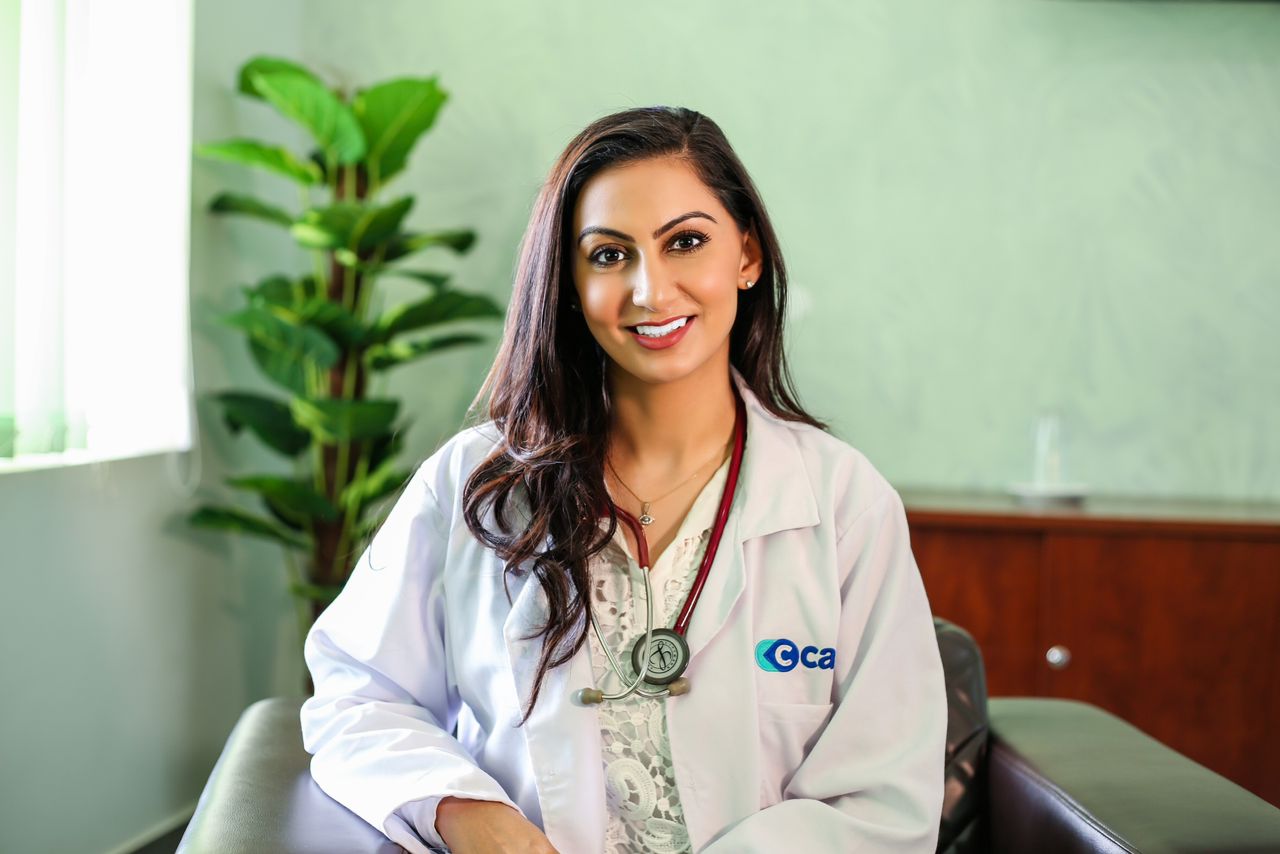
By Dr. Aleesha Adatia
We have all heard of the old adage that prevention is better than cure. But what if the ailment is already present, then what? Early detection can go a long way in ensuring that the situation does not worsen. One of the dreaded diagnoses in the medical field is that of Cancer. Not only is cancer a relentless, multifaceted enemy that requires advanced medical treatment, it also demands a resilient spirit from the patient and total dedication from healthcare providers.
The deep anxiety surrounding a cancer diagnosis is often rooted in a perceived finality, an outdated view that overlooks the significant advances in oncology today. We have moved beyond the crude tools of the past. Modern cancer care is a field of hyper-specialization, utilizing precision medicine, advanced surgical techniques, and sophisticated radiation therapies to target the disease with unmatched accuracy. This progress highlights a vital truth that specialized care isn’t a luxury, but a crucial component that offers people the best chance at healing and survival.
October, widely known as pink October is a global movement. A moment to raise awareness about breast cancer, demystify myths, support the fighters and honour the survivors. In Uganda, breast cancer is the second most common cancer among women, and the incidence is on the rise. But what is more concerning is the mortality rate. Nearly 50% of the women diagnosed with breast cancer do not survive beyond 5 years. It is not because the disease is untreatable, it is because of late presentation, and late diagnosis when treatment is less effective. There is need to change the narrative. Early detection literally transforms the outcomes.

According to the World Health Organization (WHO), cancer survival rates can reach up to 70–90% when detected early and treated promptly, depending on the type of cancer and available treatment. This vigilance begins not in a clinic, but at home. Taking personal caution means cultivating a relationship of awareness with one’s own body. For women, self-examination of the breasts is a simple, fundamental ritual. Learn the normal texture and structure; report any new lump, thickening, dimpling, or discharge to a physician immediately. And while it’s less common, breast cancer can affect men too, making awareness just as important for them.
Beyond breast cancer, the same principle of vigilance applies to all forms of the disease. It’s also crucial to stay alert to more general signs your body may give you, like unexplained weight loss, constant fatigue, or persistent pain and changes in appetite or bathroom habits. These are not just signs of stress or aging; they could be early warnings.
For a long time, the idea of getting the best cancer care often meant looking abroad, a journey that brought high costs and emotional strain. Thankfully, that’s changing. There’s a growing commitment to building strong, comprehensive cancer care right here in our own region. Institutions like C-Care IHK are leading this change by investing in advanced technology and bringing in top specialists from diagnosis and pathology to complex surgeries, chemotherapy, and radiotherapy. Patients can now access world class treatment without having to leave the country. And perhaps most importantly, they can do it while staying close to their families, their friends, and support systems.
The specialized care at C Care IHK ensures that every cancer diagnosis is approached by a collaborative group of surgeons, medical oncologists, radiation oncologists, pathologists, and radiologists, who devise a tailored treatment plan. This multi-specialist synergy eliminates the fragmentation of care and is the true hallmark of an advanced healthcare ecosystem.
The fight against cancer is a shared responsibility. It requires continuous public education, proactive personal health management, and a sustained investment in high-level specialized care. By uniting these elements, we move from merely raising awareness to actively winning the battle, ensuring that a cancer diagnosis becomes an episode in a person’s life, not the definition of it. Therefore, let us come together, let us act early and make this October a turning point. Awareness is not just symbolic, it is survival.
Dr. Aleesha is Consultant Clinical Oncologist at C-Care IHK.