



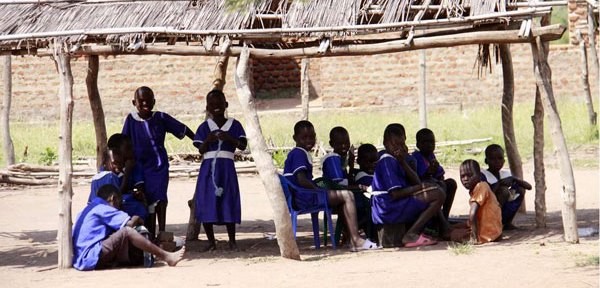
A coalition of civil society organizations and lawmakers in South Sudan has criticized the government for its persistent underfunding of education and failure to honor legal obligations. Authorities are not allocating the legally mandated “at least 10%” of the national budget to general education under the General Education Act of 2012, putting millions of children at risk of missing out on schooling.
The warning was issued in a formal communiqué following a two-day high-level dialogue held in Juba from December 3–4, 2025, at the Crown Hotel. The document was submitted to Vice President for the Service Cluster, Josephine Joseph Lagu.
According to the communiqué, the allocation for general education fell to just 2.7% of national expenditure in the 2024/2025 financial year, down from 4.5% the previous year—far below the 10% minimum required by law. Participants described the sector as facing a severe, systemic financing crisis. They also noted that South Sudan now has the lowest education budget in East Africa, compared to a regional average of 11.9% for basic education.
The report highlights the collapse of capitation grants—direct funding to schools—which have not been paid since 2019. This has led to decaying infrastructure, operational breakdowns, and declining public confidence in state schools. Despite policies for free and compulsory basic education, persistent indirect costs continue to exclude children from low-income families, contributing to an out-of-school population of 2.8 million.

Additional issues include chronically low budget execution rates, often below 30%, which result in irregular teacher salaries and hinder school-level planning. Oversight mechanisms are under-resourced, and coordination among government ministries remains weak.
The communiqué urges the Vice President to push for urgent reforms and present these concerns to President Salva Kiir Mayardit. Recommendations include a presidential directive reaffirming the 10% funding pledge with a binding timeline, legally safeguarding education funds from diversion, restoring capitation grants with arrears cleared since 2020, and earmarking a fixed portion of national tax revenue for education to ensure predictable financing.
The dialogue was facilitated by the National Education Coalition, comprising over 200 local and international organizations. Members of the Transitional National Legislative Assembly’s education committee also witnessed the communiqué, signaling parliamentary support for these urgent calls to action.