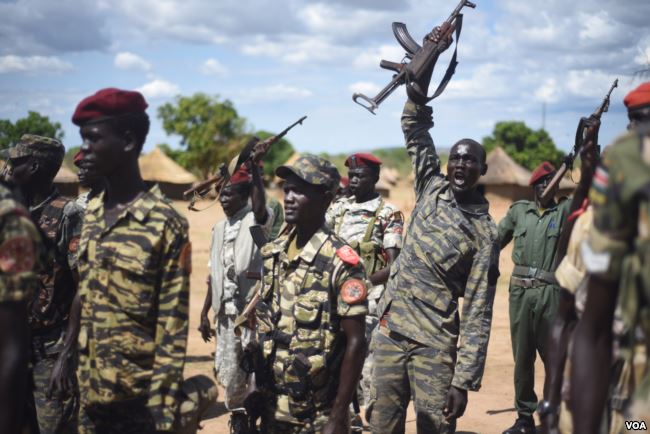


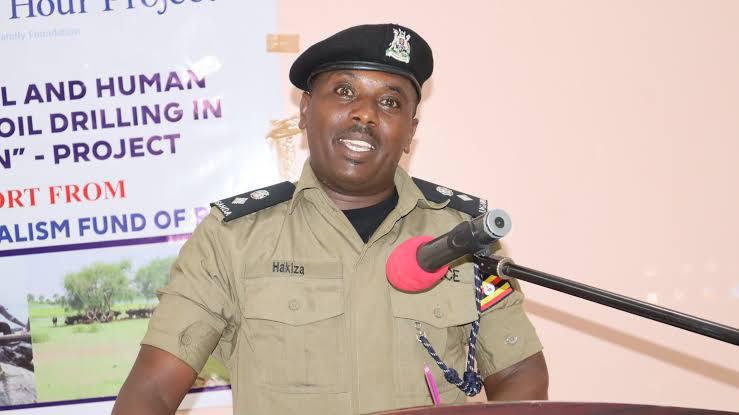

President Salva Kiir, who serves as the Commander-in-Chief of the South Sudan People’s Defence Forces (SSPDF) and all other organized forces, has released a comprehensive new directive that prohibits military and security personnel from uploading photos of their uniforms, rank badges, promotion announcements, or any official papers signed by the President to social media.
This order, communicated via a circular from Minister of Presidential Affairs Africano Mande Gedima, came into force right away.
It covers every officer—whether commissioned or non-commissioned—in the SSPDF, South Sudan National Police Service (SSNPS), National Security Service (NSS), and the country’s additional organized forces.
The stated goals of the policy are to safeguard the dignity and integrity of the President’s official signature while strengthening overall discipline and order within the security institutions.

As outlined in the circular: “These rules apply to all officers, commissioned and non-commissioned alike, across the South Sudan People’s Defence Forces, the South Sudan National Police Service, the National Security Service, and every other organized force in the Republic.”
The new rules explicitly outlaw taking photographs, making scans, or sharing online any document that carries the President’s signature—whether on the internet, social media sites, or any other publicly accessible space.
This ban specifically covers apps and platforms like WhatsApp, Facebook, and X.
The prohibition extends to a range of presidential orders, such as those related to promotions, officer commissions, and duty assignments.
The directive highlights growing concerns over a recent habit among recently elevated officers, who have been showcasing their updated ranks and full uniforms on social platforms soon after advancement.
The circular expresses serious worry that “a pattern has developed in which newly promoted officers quickly put on their uniforms and insignia purely for showy posts on social media,” noting that this practice turns official career milestones into topics of public gossip and undermines the respect due to military and security institutions.
Effective immediately, all personnel are forbidden from uploading photos of themselves in uniform as a way to mark or publicize promotions.
The document declares: “Posting pictures in uniform to celebrate promotions on social media is now strictly prohibited and must cease at once.”
The circular also underscores the deeper significance of the uniform, explaining that it stands for service to the nation and the exercise of state power. It warns that the uniform should never be treated as an accessory for personal online activity, self-promotion, or unsanctioned discussion of government decisions.
In an effort to better regulate sensitive executive information, the order insists that presidential decrees be managed with strict confidentiality and distributed solely to the appropriate senior officials, such as the Chief of Defence Forces, the Inspector General of Police, or the relevant heads of security agencies.
Going forward, access to these materials will follow a strict “need-to-know” basis, and the circular stresses that no original document featuring the President’s signature may be shared beyond official administrative channels.
Additionally, leaders of the various organized forces are now required to deliver a detailed report confirming adherence to these rules to the Office of the President no later than 48 hours after any promotion cycle or reassignment process concludes.
The circular makes clear that any breach will be regarded as a grave breach of discipline, potentially resulting in severe consequences such as loss of rank, termination of service, or legal action under the SSPDF Act, the Police Act, or related national security legislation.
According to the government, these steps are essential to promote greater professionalism, maintain strong discipline, and uphold proper respect for executive leadership throughout South Sudan’s security apparatus.