
Eastern Equatoria State Governor Louis Lobong Lojore has placed three county commissioners on indefinite suspension and named their successors via distinct gubernatorial orders.
The suspensions were outlined in gubernatorial decree No. 01/2026, a document secured.
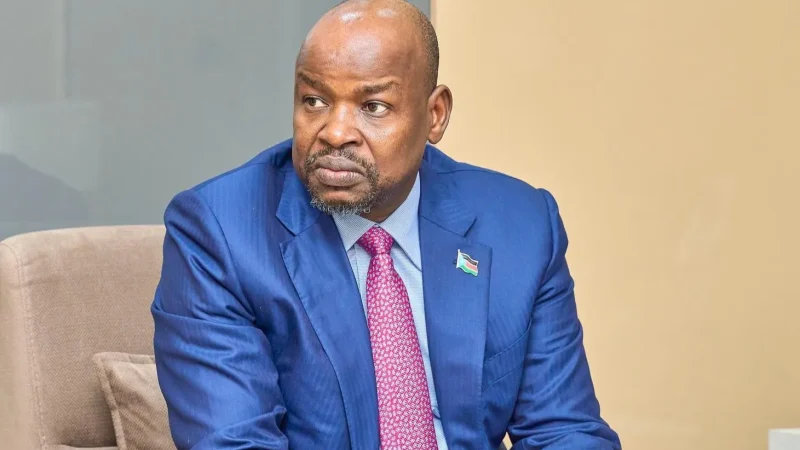
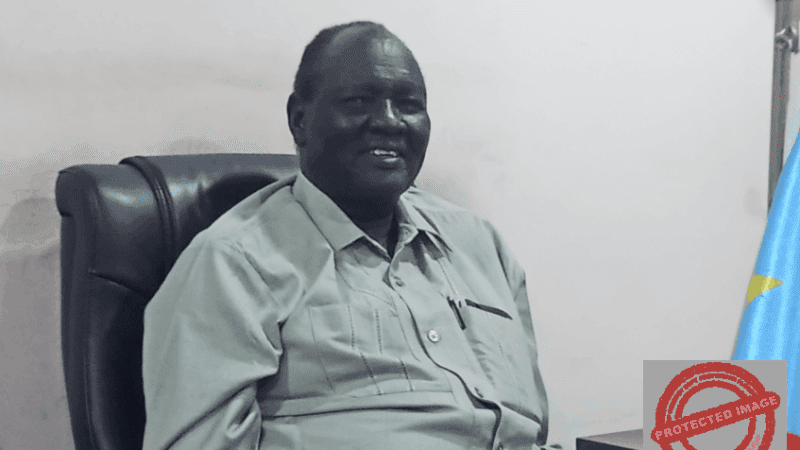
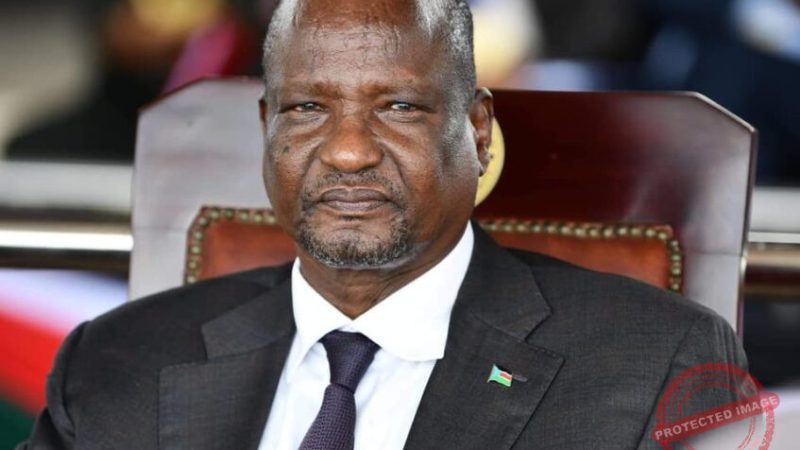
Those removed from office are Polepole Benjamin Olum, commissioner of Magwi County; Paul Lokale, commissioner of Kapoeta South County; and Christopher Andrew Philipson Abilly, commissioner of Torit County.
Each has been relieved of duties without a specified duration. The governor provided no explanation for these actions.

In a parallel decision, through decree No. 02/2026, Governor Lobong designated caretaker commissioners to oversee the three counties. Lam Francis Gabriel takes over as caretaker for Magwi County, Jeff Longoria Lokipi assumes the role in Kapoeta South County, and Lokang Charles Italian steps in for Torit County.
Polepole Benjamin Olum, the former Magwi commissioner, stated that he respects the suspension decision and will back the incoming leader.
In a Facebook message, Olum extended congratulations to Lam Francis Gabriel, referring to him as a fellow SPLM member and a native of Eastern Equatoria State.
Olum voiced optimism about Gabriel’s tenure, commenting, “United, we can accomplish significant progress for our people and our country.”
Oriaja James Libirato, who serves as the youth president for Eastern Equatoria State, highlighted the critical role of security, tranquility, and order in the area.
He anticipates that the incoming commissioners will place top priority on safeguarding residents and their belongings, pointing out that genuine progress depends on harmonious relations among communities.
Libirato further stressed the necessity of core public services—such as education, medical care, roads and facilities, and power supply—emphasizing that these can only thrive where safety is assured.
Allam Offis Omusulla, a resident expressing concern, endorsed the leadership adjustments but voiced worry over the pattern of frequent commissioner replacements.
He cautioned that constant shifts risk interrupting programs started under prior officeholders.With particular attention to Torit County, long affected by local disputes, Omusulla noted that ongoing leadership instability might obstruct the rollout of vital measures.
He recalled that the governor had formed a special committee tasked with fostering peace and reconciliation in disputed zones, including between Hiyalla and Haforiere, as well as Tirangore and Murahatiha.
Yet Omusulla observed that the committee’s chairperson—a former commissioner now removed—had started crafting approaches for resolving community tensions.
He feared the recent changes might postpone the committee’s efforts and reduce its effectiveness in tackling pressing matters.
Even so, Omusulla recognized the strengths of the new appointees, describing them as part of a fresher, more energetic cohort of leaders.
He hopes their outlook will better match the priorities of young people at the payam, county, and village levels.
He insisted that the commissioners need to interact closely with local populations to pinpoint and resolve their issues, adding that the true measure of these appointments’ success will lie in their capacity to reduce insecurity and drive advancement throughout the state.