


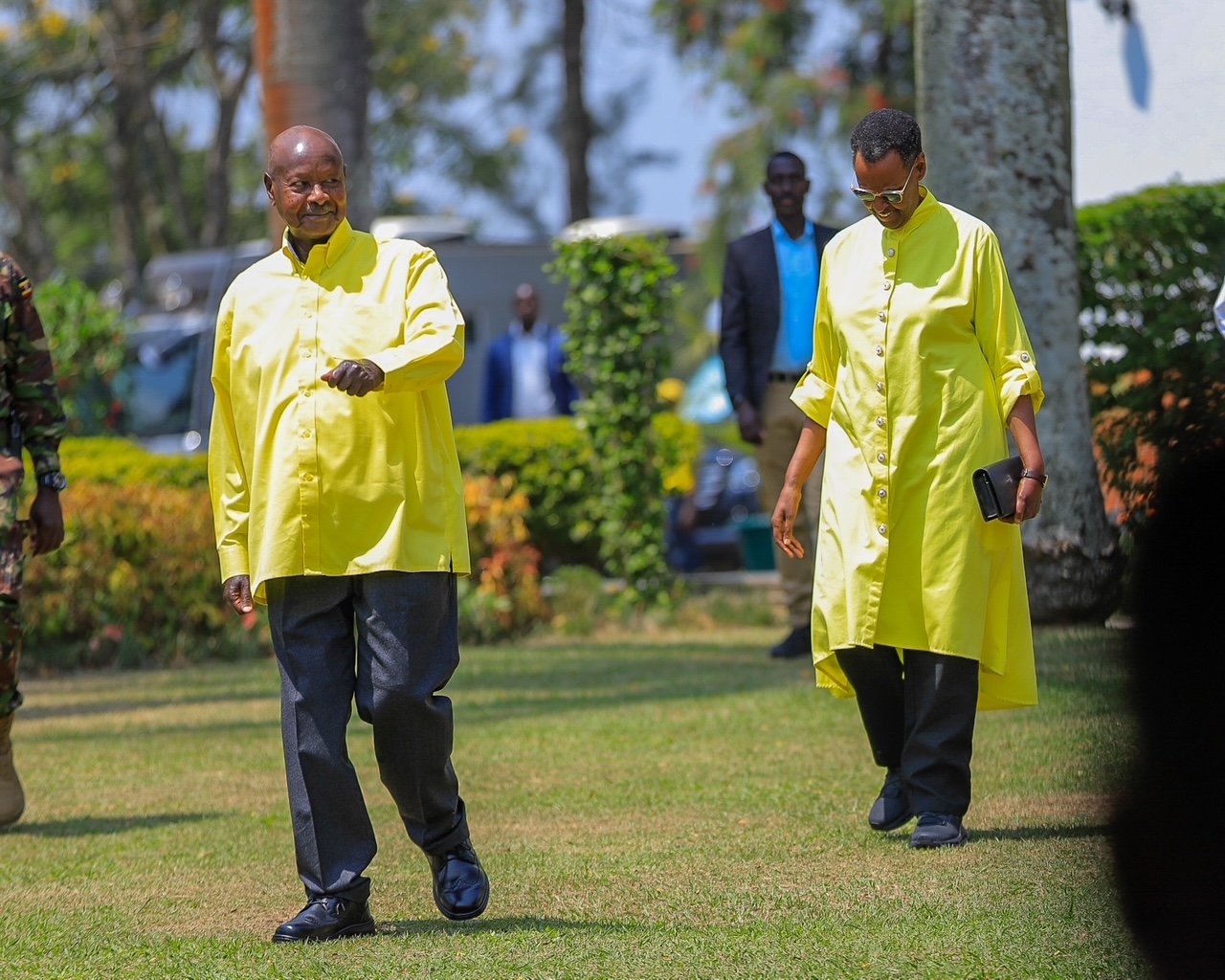
President-elect Yoweri Kaguta Museveni has attributed his resounding re-election victory to divine favor, the steadfast support of the National Resistance Movement (NRM), and the vigilance of Uganda’s security forces.
He made these remarks while laying out his main agenda for the 2026–2031 term during an address at his Rwakitura residence in Kiruhura District, following the official announcement of results on Sunday.
Museveni expressed gratitude to NRM supporters, party officials, and campaign teams for their dedication throughout the process. He also commended the military and other security agencies for preserving calm and order during voting.
Additionally, he recognized the contributions of religious and cultural figures in fostering national cohesion and tranquility.

Reflecting on the polls, Museveni observed that participation fell short of projections, with an estimated 10 million registered voters staying away. He described this as a critical indicator of the party’s reach and vowed that the NRM would investigate the causes of the low turnout.
He further noted that a significant number of invalid ballots originated from NRM backers, especially older voters, and stressed the need for internal review and improvements to prevent such issues.
On security matters, the President-elect issued a firm warning against any form of violence or disruption, referencing reported attempts by armed elements to interfere with polling stations in certain locations. He underscored the importance of sustained peace, cautioning that Uganda must avoid descending into the kind of chaos experienced in places like Libya.
For his incoming administration, Museveni detailed a dual-track economic approach: bolstering those already generating wealth—such as large-scale farmers, manufacturers, hospitality entrepreneurs, and other investors—via mechanisms like the Uganda Development Bank, while intensifying targeted programs to pull the most disadvantaged households out of poverty.
His ultimate aim is to transform every homestead into a productive economic unit.He singled out the Parish Development Model and presidential skilling hubs as proven tools that have already instilled optimism in communities, pledging to scale them up further to combat household-level poverty and shield vulnerable groups from political exploitation.
In the realm of social services, Museveni committed to upholding free education in public schools, enhancing medical care (with particular emphasis on reliable drug supplies at facilities), and imposing rigorous oversight.
He acknowledged persistent public frustration over graft and inequities in the judiciary, promising decisive measures to promote justice and integrity.
He also signaled close monitoring of roadworks and maintenance, especially on paved highways, to hold leaders and contractors accountable.
Regarding the economy, Museveni confirmed Uganda’s imminent entry into oil production and affirmed that proceeds from this finite resource would finance enduring national assets.
Priorities include railway development, expanded electricity generation, and advancements in science and technology education to build lasting self-reliance.
In his concluding remarks, Museveni extended appreciation to all citizens—including opposition supporters—and appealed for collective unity and steadiness as the nation embarks on this fresh chapter under his guidance.
Earlier in the event, First Lady Janet Museveni thanked the President, NRM structures, faith-based leaders, and grassroots backers for their efforts in securing the win.
She framed the result as evidence of God’s providence and faithfulness, encouraging party faithful to recommit to selfless service for the benefit of the people and the country.