



By Timothy Mugyenyi
I am reminded of an interaction I had within Nakivale refugee camp. We stopped by a Rolex stand and spoke with some young gentlemen deeply engrossed in a video whilst sharing a smartphone. When we asked if they knew about the internet hotspot recently set up in the area, with enthusiasm, they responded saying it is “Kyakabi!” The reason was cost savings versus the alternatives, its unlimited data use, ease, and it was exactly what they were using.
I probed deeper to ask what they use it for, and they said, “to learn new ways of making Rolexes and also to get trends on TikTok!” My colleague immediately ordered a rolex and it was good. This got me thinking, if the internet creates opportunity for a Rolex maker on a shared device, what transformative power does the internet truly have on communities?
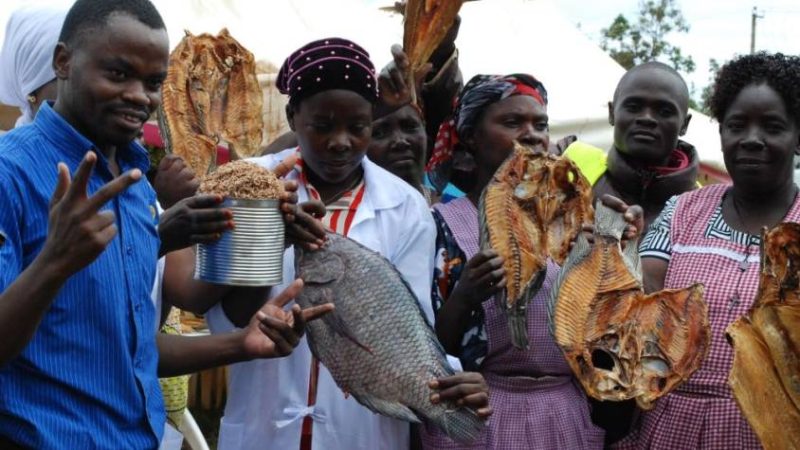
So I sought to ask what some of the people in these otherwise rural areas use the internet for, and the answers were simply aligned with increased productivity and development. A market lady orders beans and gnuts from farmers, and they send videos to verify the quality. A vacist awaiting results said they do free online courses to certify in areas of study, so when they join a university, they are better. A butcher picks out a goat for slaughter with video calls. All these are made possible with the internet.

Internet offers an opportunity and a multiplier of progress when coupled with the knowledge and tools in the hands of the user to unlock the right opportunities. Which shows a particular rift that comes to light in digital inclusion and connection in the outskirts of major urban centres, with many being offline in these areas, either due to knowledge, devices or internet costs.
The absence of this access creates a divide that is technological, educational, economic, and social. It affects communication and knowledge sharing which is the very fabric of modern life.
There is a great need for increased low-cost internet options for some of these rural areas or communities, as well as an increase in digital literacy. There have been a number of strides in the field of connectivity and inclusivity of access. Globally there are initiatives like Giga and the works of the internet society. Locally, there are efforts by different actors, including UCC’s USACF and the different players in the space.
The major call is to see that we need to have internet present in the hands of every citizen in the village or town, so that progress towards development is a collective effort.
I reflect on the recent internet shutdown, and one thought keeps crossing my mind: how we as an economy have gotten so used to utilising the internet and how it has turbocharged our lives alongside productivity. The power of connectivity is not something to be taken lightly.
A divide persists between rural and urban settings. The beauty is that many companies are coming up with strategies to extend their internet services into more rural areas, building out fibre connectivity across the country. This raises an important question of how much more we can transform our economy and our nation simply by harnessing the power of the internet. Kms of fibre crossing villages and towns with minimal uptake is also a challenge that needs to be looked into, and how can those living alongside the towers, as well as the fibre lines, start to reap the benefits of the connectivity that is a lifeline for development?
There is a need to accelerate the development of digital public infrastructure, an agenda I know is already underway. We must decentralise ICT skills at the grassroots level and integrate them into regular day-to-day life. If we achieve digital literacy for everyone, we will move the needle ahead, not just as people but as a developed, connected society.
The digital divide is real, but so is the opportunity. The question remains, “Will we seize it? Or watch the opportunity of progress pass us by.”
The writer is the Head of Partnerships and Community Impact at Roke Telkom