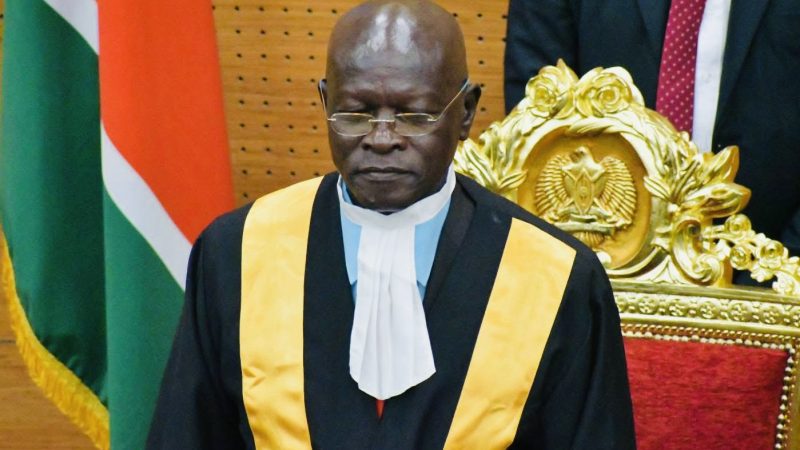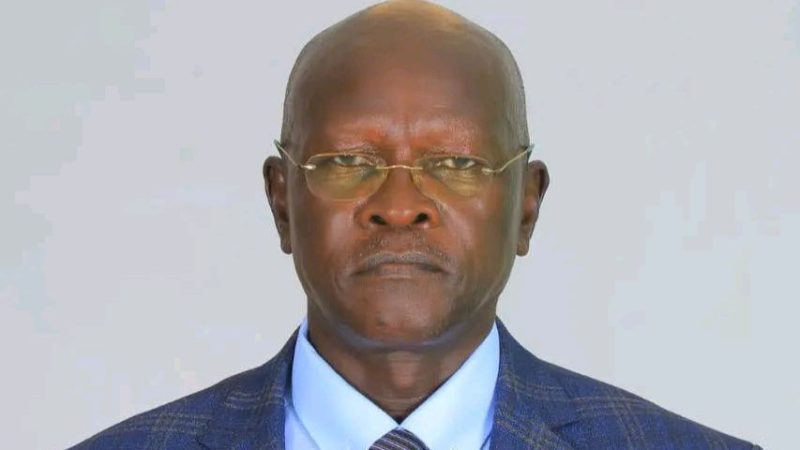
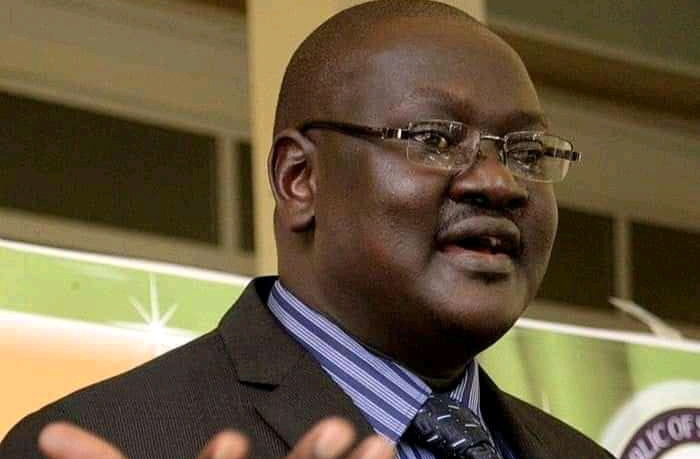
The government of South Sudan has firmly rejected inflammatory statements attributed to Lt. Gen. Johnson Olony Thabo, clarifying that they represent personal views rather than official policy or directives of the South Sudan People’s Defence Forces (SSPDF).
In a press statement issued on January 27, government spokesperson Ateny Wek Ateny reaffirmed the Revitalised Transitional Government’s unwavering commitment to peace, ongoing dialogue, and the complete implementation of the Revitalised Agreement on the Resolution of the Conflict in South Sudan (R-ARCSS).
The statement emphasized that the administration continues to prioritize national reconciliation amid escalating tensions in parts of the country.
Lt. Gen. Olony, who serves as assistant chief of defence forces for mobilisation and disarmament while also commanding the Agwelek militia (partially integrated into the SSPDF), came under intense scrutiny following remarks he reportedly made during a troop briefing in Duk County, Jonglei State.

In the address—captured on video and widely circulated—he allegedly instructed forces preparing for operations against opposition elements to show no mercy, explicitly stating they should “spare no lives,” including the elderly, and destroy homes, livestock, and property without exception.
He framed the upcoming actions as a final resolution to recurring instability in the Greater Upper Nile region, declaring, “We are tired of problems every year until we have gotten old in problems.”
The comments provoked immediate and widespread condemnation.
Civil society organizations, including the Community Empowerment for Progress Organization (CEPO), described the rhetoric as highly dangerous and likely to endanger civilian populations.
The Sudan People’s Liberation Movement-in-Opposition (SPLA-IO) accused the military leadership of endorsing a “genocidal incitement” and “scorched earth” campaign.
Other groups, such as the United People’s Alliance (UPA) and the South Sudan People’s Movement/Army (SSPM/A), labeled the statements as calls for war crimes and ethnic violence, warning of potential atrocities against civilians.
The government’s response stressed that the SSPDF’s core mandate remains the protection of civilians, defense of national territory, and restoration of public order.
It explicitly rejected any notion that forces are authorized to target innocent people or engage in indiscriminate destruction.
The statement also sought to reassure displaced residents from Akobo, Nyirol, and Uror counties—many of whom have fled to protection sites operated by the United Nations Mission in South Sudan (UNMISS)—that security conditions are being actively addressed and their safety is assured.
Authorities urged the public to remain calm, avoid spreading misinformation, and support security operations in northern Jonglei.
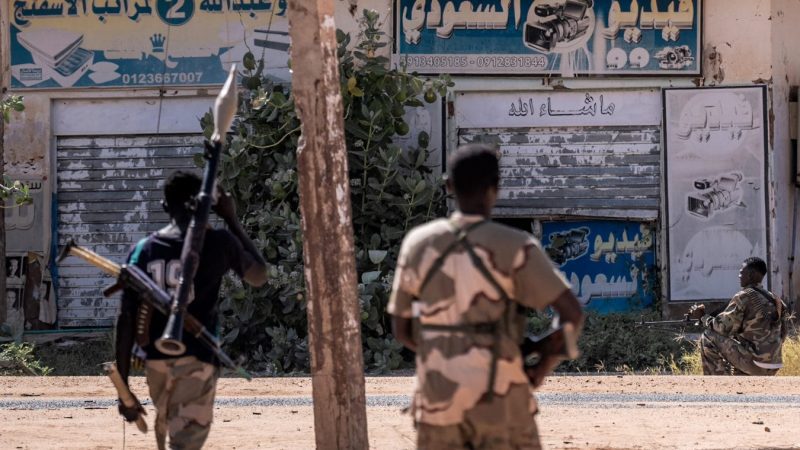
The controversy unfolds against a backdrop of intensified fighting in Jonglei State since late December 2025.
Clashes between SSPDF forces and SPLA-IO units (now under the operational command of Deputy Oyet Nathaniel amid Riek Machar’s detention) have escalated, with opposition forces capturing key positions such as Pajut, Waat, and Yuai in Duk County.
In response, the government has mobilized additional troops, including Agwelek elements, and advanced northward, positioning units near Poktap and Padiet.
The SSPDF has also issued evacuation orders—most recently a 48-hour ultimatum on January 25—for civilians, humanitarian organizations, and UN personnel to leave opposition-held areas ahead of what it termed “Operation Enduring Peace.”
International bodies have voiced grave concern. UNMISS Officer-in-Charge Graham Maitland condemned the rhetoric as “utterly abhorrent,” stating it must cease immediately and urging leaders to uphold the 2018 peace agreement to prevent further civilian harm.
More than 180,000 people have reportedly been displaced in Jonglei due to recent violence. The UN Commission on Human Rights in South Sudan warned that such incitement, combined with troop mobilizations, significantly raises the risk of mass atrocities, ethnic targeting, and the unraveling of the fragile peace process.