



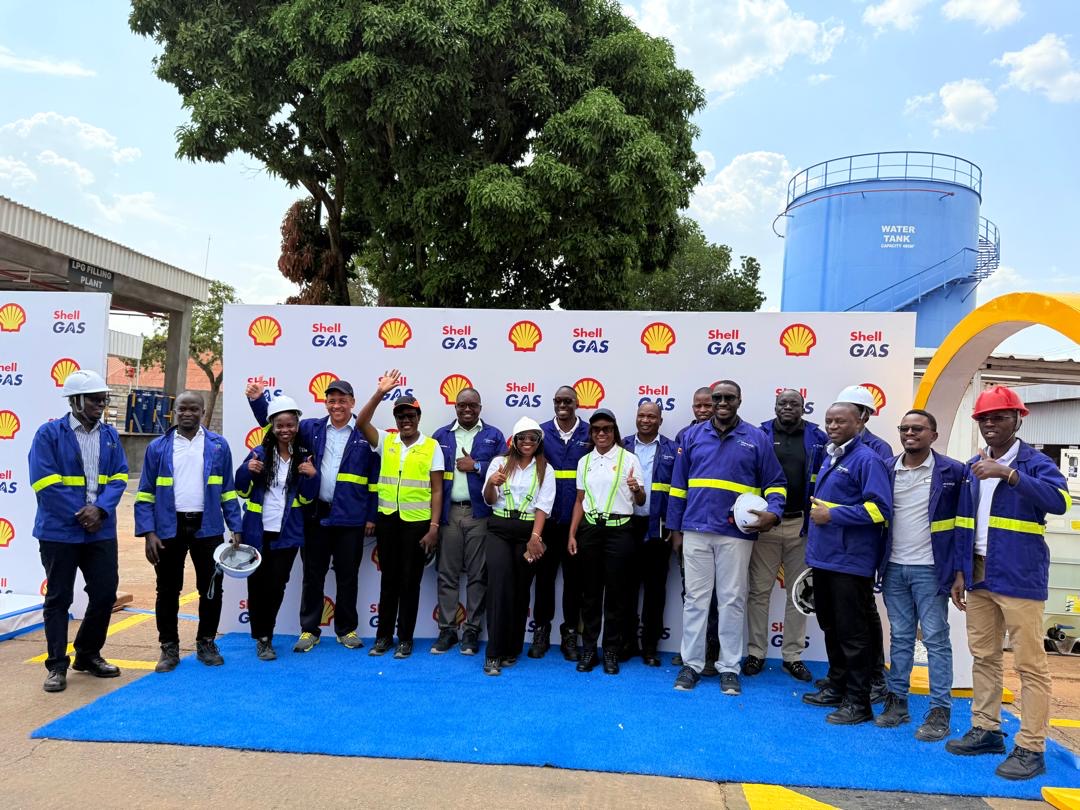
Mbale, Uganda – Tuesday 27th January 2026: Vivo Energy Uganda has commissioned a new Liquefied Petroleum Gas (LPG) filling and storage plant in Mbale City, marking a key step in expanding access to clean and reliable energy solutions in Eastern Uganda.
The facility was commissioned by Miss Harriet Kakayi, Deputy Mayorof Mbale City, alongside Mr Hans Paulsen, Executive Vice President (East), at Vivo Energy Group, reaffirming Vivo Energy Uganda’s long-term commitment to supporting Uganda’s clean energy transition through investments that enhance access, safety, and reliability of cleaner cooking fuels.
Speaking at the commissioning ceremony, Miss Kakayi welcomed the investment, noting its alignment with the city’s development agenda. “We warmly welcome this investment by Vivo Energy Uganda. It is timely and strongly aligned with Mbale City’s vision for sustainable urban development. Expanding access to clean energy such as LPG is critical to protecting our environment, improving household welfare, and creating economic opportunities for our people. This facility will greatly benefit residents of Mbale City and the wider Eastern Uganda region,” she said.
The Mbale LPG plant will operate as the main filling, storage, and distribution hub for Shell Gas in Eastern Uganda, bringing LPG supply closer to customers and improving availability, affordability, and safety for households, businesses, and educational institutions.Located at Vivo Energy Uganda’s Mbale depot, the plant will serve districts across Eastern Uganda, including refugee-hosting communities. It enhances the company’s national LPG infrastructure, supporting equitable access to clean cooking solutions.

Commenting on the broader significance of the investment, Mr Hans Paulsen, Executive Vice President (East) at Vivo Energy Group, said the Mbale facility reflects a wider continental commitment to clean energy infrastructure. “The commissioning of the Mbale LPG plant reflects Vivo Energy’s long-term commitment to building resilient energy infrastructure in Uganda. Expanding access to LPG is central to addressing energy poverty, reducing indoor air pollution, and supporting the country’s climate and development objectives. This facility is a critical step in bringing clean, safe, and affordable cooking solutions closer to communities in Eastern Uganda,” he said.
From a national perspective, Mr Paulsen added, the plant directly supports the Government of Uganda’s clean energy agenda under the Ministry of Energy and Mineral Development, which prioritises reducing dependence on traditional biomass fuels such as firewood and charcoal.
Uganda’s uptake of LPG remains relatively low, with household penetration estimated at around four per cent and average per capita consumption of below one kilogram per year, which is far below regional benchmarks. For instance, neighbouring Kenya has achieved a per capita consumption of about seven percent. This stark contrast underscores the urgency for Uganda to accelerate efforts in increasing LPG adoption, motivating policymakers and funders to close this gap more rapidly.
Speaking on behalf of Vivo Energy Uganda, Mrs Joanita MukasaMenya, the Managing Director at Vivo Energy Ugandaemphasised the facility’s local impact and alignment with national priorities. “This plant is more than a commercial facility. It is a practical enabler of clean cooking adoption, a source of jobs for Mbale residents, and a strategic infrastructure investment for the nation. By strengthening LPG supply and distribution in Eastern Uganda, we are supporting communities, creating local economic opportunities, and aligning with national priorities for a sustainable energy future,” she said.
Beyond improving access to clean energy, Mrs Menya said, the Mbale LPG plant is expected to create substantial employment opportunities, support skills development, and stimulate the growth of local supply chains within Mbale City and the wider Eastern region. Increased LPG adoption will also contribute to improved health outcomes, reduced indoor air pollution, and lower environmental degradation linked to the use of traditional cooking fuels.
The facility further contributes to national energy resilience and balanced regional development at a critical time. As Uganda prepares for its first oil production from the Albertine Graben, anticipated to begin in July 2026, the Mbale plant positions LPG as an additional link in increasing consumer awareness, market readiness, and infrastructure for a modern and sustainable gas economy.
Through this investment, Vivo Energy Uganda continues to reinforce its long-term commitment to the country, including its collaboration with the Uganda National Oil Company (UNOC) to expand LPG infrastructure. These efforts underscore the company’s role as a reliable partner in advancing Uganda’s clean energy ambitions and strengthening national energy security.
Vivo Energy Uganda remains committed to championing clean cooking technologies and working alongside communities, government, and partners to deliver safer, healthier, and more sustainable energy solutions for Ugandans today and in the future.