

In a strategic move to bolster local capacity for complex cancer treatment, C-Care IHK has strengthened its commitment to advanced cancer treatment in Uganda through a strategic partnership with leading Indian oncology institutions, including Gleneagles Hospitals and Fortis Hospitals, both internationally recognised for excellence in cancer management.
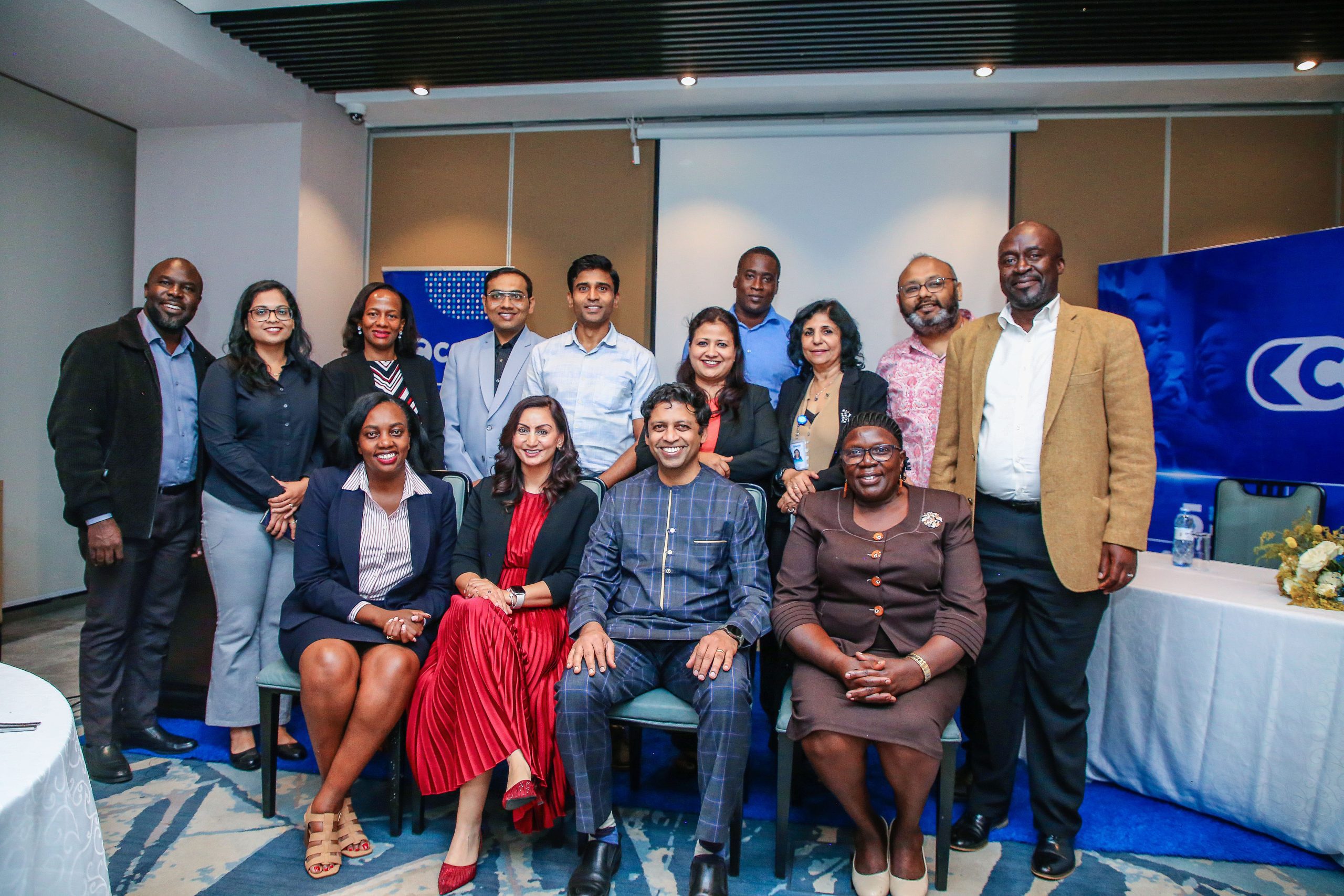
The collaboration was marked by a high-level Continuing Medical Education (CME) session held in Kampala featuring renowned hemato-oncologist Dr. Rajeev Vijayakumar. The session focused on integrating Bone Marrow Transplant (BMT), advanced hemato-oncology practices, and genomic-driven cancer treatment approaches into Uganda’s healthcare system.
According to medical tourism estimates, approximately 20,000 Ugandan patients travel to India each year seeking advanced medical treatment, including specialized cancer care that is not yet widely accessible locally. For many families, this journey comes with significant financial strain, emotional stress, and prolonged separation from support systems.
C-Care IHK’s growing oncology capabilities aim to change that reality. Dr. Alicia Adatia from the C-Care IHK Oncology Department emphasized that global knowledge exchange is critical to strengthening local care.

“Oncology is rapidly evolving from a one-size-fits-all model to highly personalized treatment. Through partnerships like this, we are ensuring that Ugandan patients can benefit from the latest global advances in cancer care without necessarily leaving the country,” she said.
During the CME, Dr Vijayakumar highlighted the transformative role of genomics in modern oncology. By identifying specific genetic mutations that drive cancer progression, clinicians can now tailor therapies to individual patients, improving effectiveness while reducing unnecessary toxicity.
“The landscape of cancer care is changing rapidly. Introducing Bone Marrow Transplant expertise and genomic insights into local practice bridges the gap between complex diagnoses and effective, life-saving treatments,” he noted.
The CME session also explored several groundbreaking developments in oncology that have emerged in recent years. Advancements in targeted therapies have revolutionised the treatment of formerly difficult cancers, transforming them into more manageable conditions. Additionally, the arrival of immunotherapy drugs has opened new avenues for treating melanoma, lung cancer, and kidney cancer by leveraging the body’s immune system to identify and eliminate cancer cells.
With recent investments in advanced diagnostic imaging technology, specialised oncology infrastructure, and multidisciplinary cancer teams, C-Care IHK is now positioned to manage a broader range of complex cancer cases locally. These include advanced blood cancers requiring transplant evaluation, genomic-based treatment planning, and comprehensive supportive care.
While acknowledging that cancer biology remains complex and treatment resistance continues to pose global challenges, the experts emphasized that access to genomic testing, precision diagnostics, and multidisciplinary care significantly improves clinical decision-making and patient outcomes.
Dr Miriam Mutero Musinga, General Manager of C-Care IHK, reaffirmed the hospital’s long-term vision: “We are building a healthcare ecosystem grounded in clinical excellence and global collaboration. Our partnership with internationally recognised oncology centres strengthens our ability to deliver a full continuum of cancer care, from early diagnosis to advanced specialized treatment.”
Through this collaboration, C-Care IHK is advancing its mission to elevate specialised oncology services in Uganda. By expanding local capacity for complex cancer management, the hospital is helping ensure that more patients can access world-class care closer to home, reducing the need for overseas travel and improving outcomes for families across the country.