




The Government of Uganda has urged petroleum marketing companies not to exploit the ongoing Middle East crisis as a pretext to increase pump prices, insisting there is no justification for any hikes.
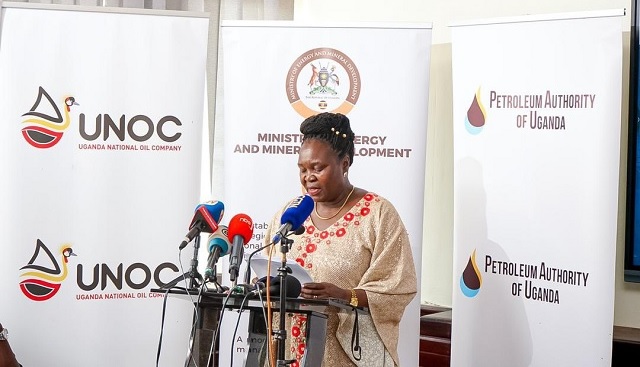
Ruth Nankabirwa, Minister of Energy and Mineral Development, made the appeal in a video statement posted on X (formerly Twitter) on Wednesday.
“I call upon the oil marketing companies not to just use, take advantage of the global instability and raise pump prices because they want to make a profit. The time does not warrant that,” Nankabirwa said.
The Minister emphasized that the state-run Uganda National Oil Company (UNOC) — the sole supplier to marketing companies — has already assured uninterrupted supply despite the escalating conflict in the Middle East.

In a statement issued Tuesday, UNOC confirmed it is working closely with its supply partner Vitol to maintain steady deliveries.
“UNOC and its supply partner, Vitol, are keenly following the events as they unfold and wish to reassure the public that all appropriate measures are being taken to ensure uninterrupted supply of petroleum products into the country,” the statement read.
UNOC added that supplies could be sourced from alternative routes if the Middle East corridor becomes inaccessible, and that scheduled deliveries for March 2026 remain on track with contingency plans in place to prevent any immediate disruption.
According to the Ministry of Energy and Mineral Development, Uganda imports approximately 2.5 billion liters of petroleum products annually, valued at about $2 billion.
The Government reiterated its commitment to ensuring fuel security and affordability, urging companies to maintain stable pump prices and avoid speculative increases.
No immediate changes to retail fuel prices have been announced, and authorities said they will continue to monitor supply chains and market conduct closely.
The appeal comes amid global concerns over potential disruptions to oil routes through the Strait of Hormuz and other key chokepoints following recent escalations involving Iran, Israel, and the United States.