
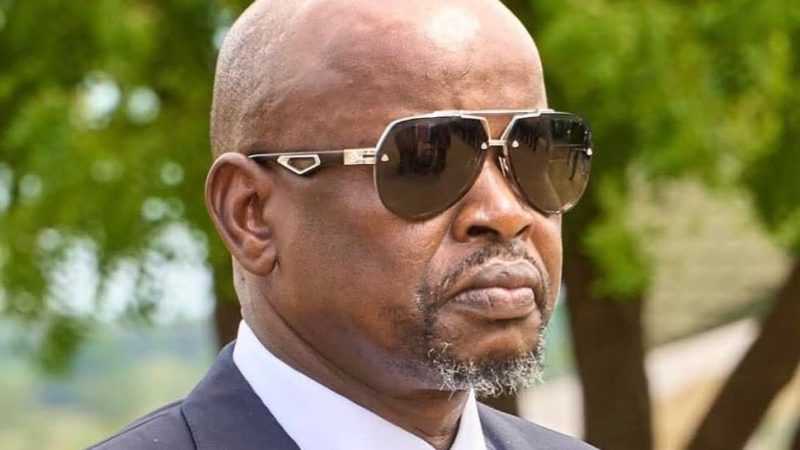
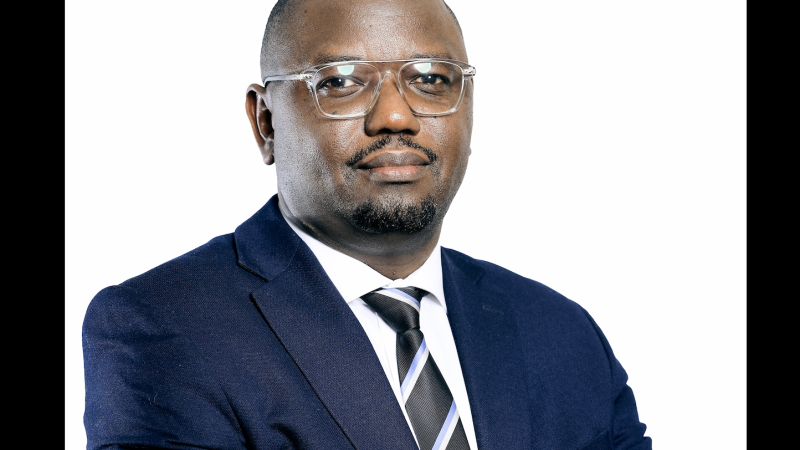
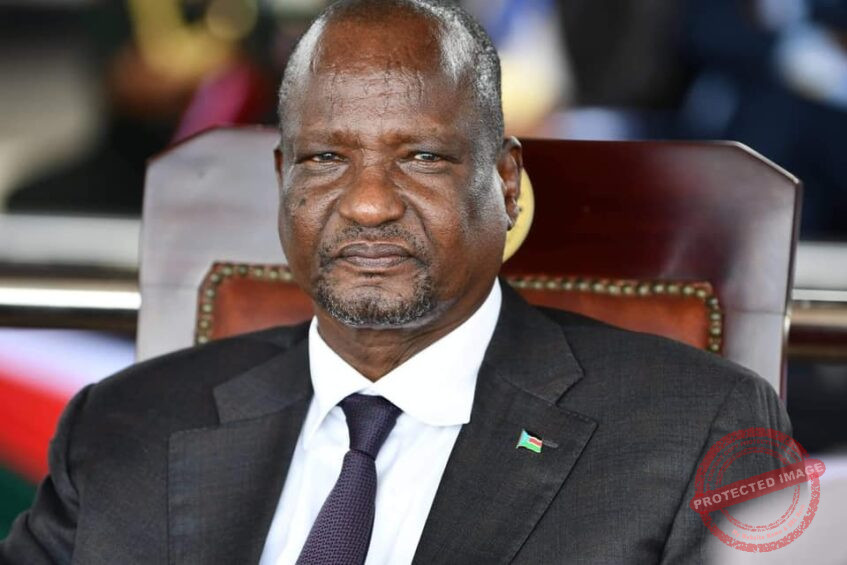
South Sudan’s Vice President Gen. Taban Deng Gai has publicly revealed that he has been unable to secure a meeting with President Salva Kiir Mayardit for nearly a year, blaming obstruction by officials in the Office of the President.
Taban made the disclosure during funeral prayers in Juba on Saturday, March 21, 2026, where he represented both the president and himself at a service for victims of the Abiemnom massacre in Ruweng Administrative Area.
At least 213 people, including soldiers, were killed in an attack on March 1, 2026, carried out by armed youth suspected from Mayom County in Unity State.
“When we come to gatherings like this, we are blamed — and that is your right — but it is difficult to believe that a vice president cannot meet the president. Who can believe it?” Taban said.

He recounted his last meeting with Kiir shortly after returning from Unity State in May 2025.
Since then, he claimed letters addressed to the president are sometimes not delivered, and travel requests—such as his unapproved plan to visit Unity State since the Christmas season—have been blocked.
Taban shared a recent conversation with Vice President Hussein Abdelbagi about the deadly intercommunal violence between Ruweng and Unity State, noting that authorities had prior intelligence about the impending attack but failed to act.
“They knew there was an attack coming. What were they doing?” he asked, calling for a thorough investigation and noting that a criminal case had been opened.
He criticized administrative weaknesses, roadblocks, and corruption among presidency officials as contributing factors to ongoing violence, emphasizing that leaders must engage directly with communities rather than rely on intermediaries.
Taban, who chairs the infrastructure cluster and is a member of the ruling Sudan People’s Liberation Movement (SPLM), said he, Abdelbagi, presidential security adviser Tut Gatluak, and others plan to meet Kiir upon the president’s return from South Africa to discuss ways to curb such violence.
The remarks highlight internal frictions within the transitional government of national unity formed under the 2018 Revitalized Peace Agreement (R-ARCSS), amid persistent security challenges, intercommunal clashes, and stalled implementation of key provisions.
No immediate response from the presidency or Office of the President was reported.