With just five days until it opens, the 2026 Kampala Geopolitics Conference is poised to transform Makerere University’s historic Main Hall into a high-level forum for dissecting the continent’s most pressing strategic choices.
Organised by Makerere University in partnership with the Konrad-Adenauer-Stiftung (KAS), the French Embassy in Uganda, and Alliance Française Kampala, the event will bring together policymakers, scholars, diplomats and students to debate Africa’s role in a fractured global order.
Amidst all that’s happening across the world, Uganda itself offers a compelling backdrop.
Landlocked yet central to the Great Lakes and East Africa, the country balances Chinese infrastructure financing, Western security ties, and active military contributions to stabilisation in Somalia and South Sudan.

Its emerging oil sector and refugee-hosting leadership highlight the tensions between economic ambition, debt sustainability and regional influence.
According to information from the organisers, the conference will feature six panels drawn from proposals by KAS, Makerere and French partners:
Africa and External Powers: Shaping the Terms of Engagement (KAS)
External actors — the US, China, Russia and Gulf states (UAE, Saudi Arabia, Qatar) — expand influence through infrastructure, trade, security pacts and diplomacy.
The panel will explore how African governments and the AU can set priorities, manage debt, add local value to critical minerals, strengthen maritime governance and renegotiate terms with traditional European partners.
Ethiopia’s Regional Ambitions and the Balance of Power in the Horn of Africa (KAS)
Ethiopia’s drive for reliable sea access via ports and corridors has sparked tensions with Somalia, Eritrea and Djibouti, raising questions of sovereignty and regional norms.
With Kenya’s diplomatic role limited, delegates will examine whether the Horn trends toward cooperative regionalism or competitive fragmentation.
Bretton Woods Institutions: Reimagining the Global Financial Architecture for African Growth (Makerere)
Eighty years after 1944, the IMF and World Bank face criticism for favouring industrialised nations.
Africa holds key resources for the global energy transition and demographic leverage yet borrows at punitive rates with limited voting power.
This session will debate reforms to unlock sustainable growth instead of perpetual debt dependence.
Borrowed Peace, Mortgaged Resources: The DRC’s Sovereignty Dilemma (Makerere)
The DRC’s dual 2025–2026 peace processes (Doha Framework and Washington Accord), forged under military pressure, raise concerns about minerals-for-security bargains.
This panel will assess whether such deals can deliver lasting peace or risk mortgaging sovereignty when external guarantors face their own distractions.
New Faces of Development Assistance: Towards Solidarity-Based Partnerships (French Partners)
Major budget cuts, including the dismantlement of USAID, have weakened traditional aid.
In a transactional era, the discussion will focus on hybrid public-private models that respect national sovereignty, pool expertise and generate sustainable shared value.
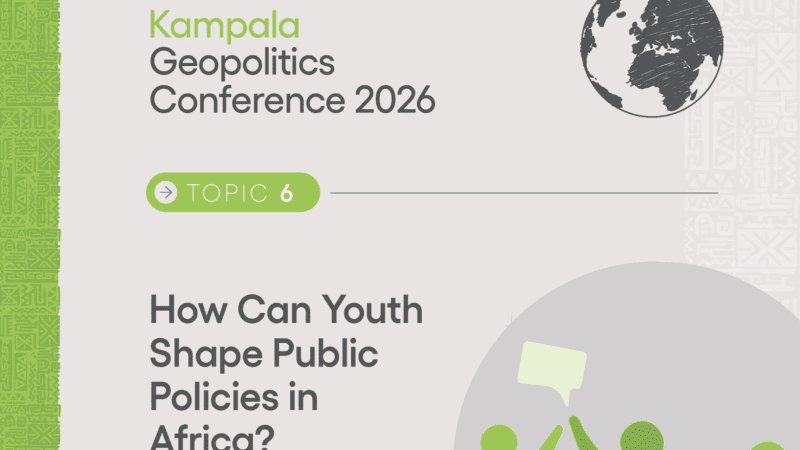
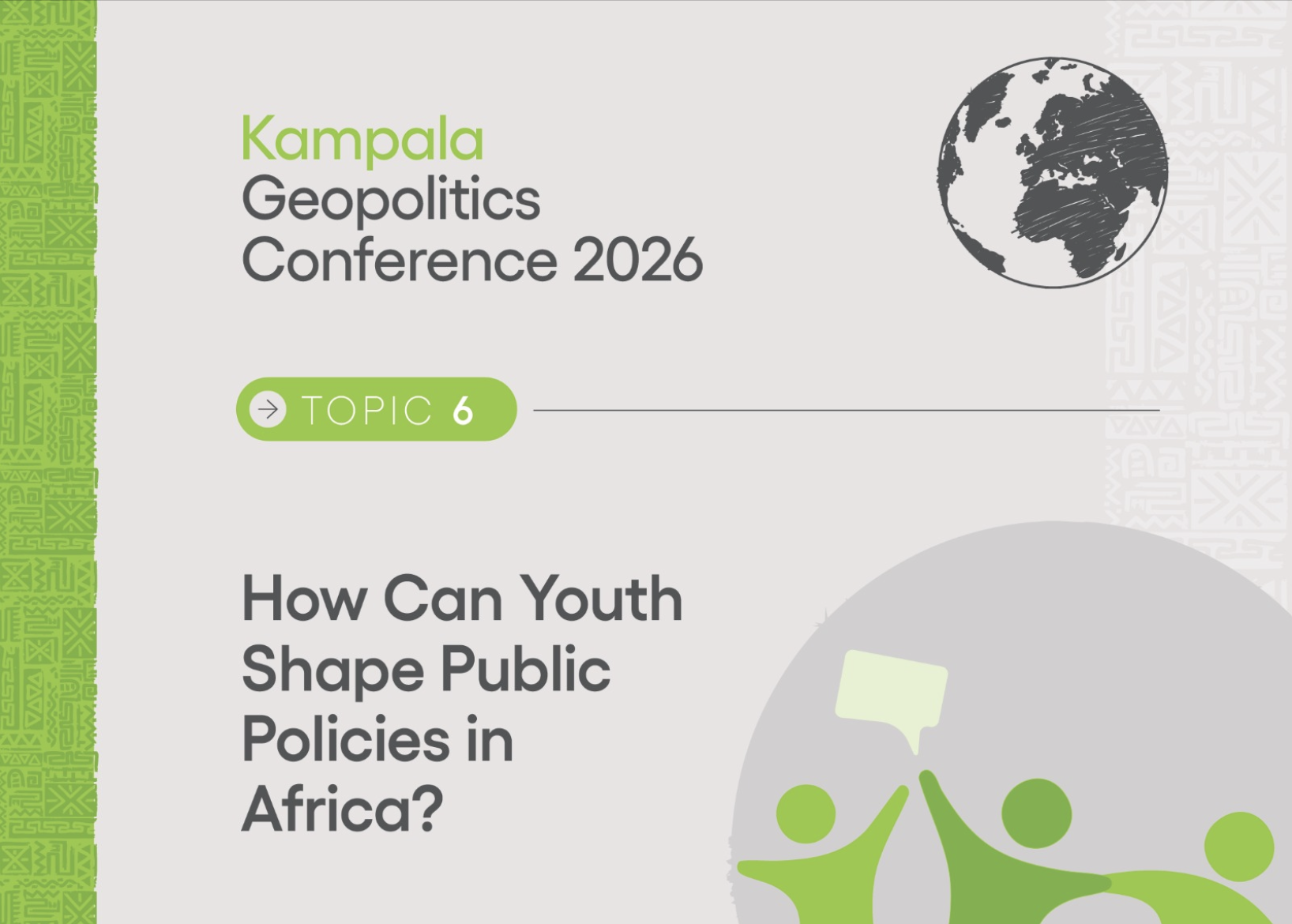
How Can Youth Shape Public Policies in Africa? (French Partners)
With over 60% of Africans under 25 and projections that one in three young people globally will be African by 2050, the demographic dividend is both opportunity and challenge.
The panel examines ways to strengthen youth representation, move beyond symbolic consultations, and enable young people to co-design public policies through digital, community and entrepreneurial approaches.
Organisers describe the conference as a platform for actionable insights rather than grievances, aiming to equip African decision-makers amid shifting power dynamics, conditional security guarantees and retreating traditional donors.
Makerere, a cradle of Pan-African thought, once again hosts discussions that seek to convert the continent’s resource and demographic strengths into real influence.