






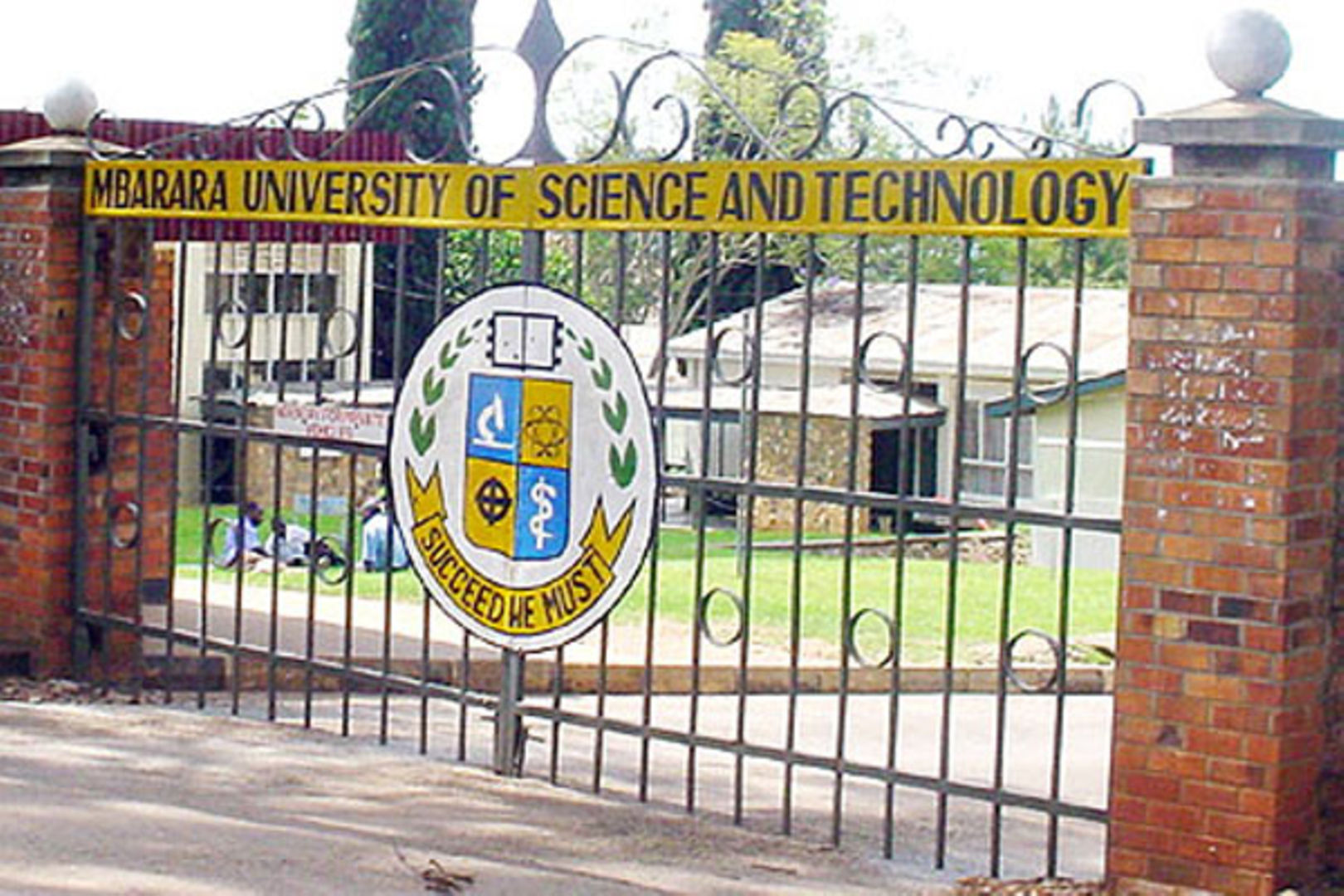
Mbarara University of Science and Technology (MUST) has formally expressed concerns about the proposed Protection of Sovereignty Bill, 2026, becoming the latest academic institution to question its potential impact on university operations in Uganda.
In a letter dated April 24, 2026, addressed to the Clerk to Parliament, Adolf Mwesige, the university stated that while it supports the government’s efforts to safeguard national sovereignty, the Bill could unintentionally disrupt legitimate academic activities.
“I write on behalf of Mbarara University of Science and Technology to respectfully submit the University’s observations on the Protection of Sovereignty Bill, 2026,” the Vice Chancellor’s office said.
MUST emphasised that, as a public institution established under the Universities and Other Tertiary Institutions Act, it is mandated to carry out teaching, research, innovation, and community engagement.

These functions often involve partnerships, grants, scholarships, and collaborations with both local and international actors.
“Upon review of the Bill, the University’s respectful concern is therefore limited to ensuring that the Bill does not unintentionally affect lawful public university functions undertaken within approved Government and institutional frameworks,” the letter reads in part.
The university added that its submission aims to support the objectives of the Bill while suggesting refinements to ensure smooth implementation without undermining higher education.
MUST’s position comes just days after academic staff at Makerere University strongly opposed the same legislation, warning that it could cripple academic freedom and research.
Through their umbrella body, the Makerere University Academic Staff Association (MUASA), lecturers argued last week that the proposed law risks criminalising core academic activities.
“We contend that all these possible outcomes are not only unconstitutional. They would also make the work of academic staff and universities criminal and, consequently, impossible,” said MUASA chairperson Jude Ssempebwa in a memorandum to Parliament.
The Protection of Sovereignty Bill, 2026, which is currently before Parliament, seeks to tighten regulation of foreign influence and financial flows into the country.
Government officials have defended the Bill as necessary to protect national interests and political independence.
However, critics from various sectors argue that some provisions could have far-reaching consequences.
Legal bodies and civil society organisations have warned that the Bill may introduce sweeping controls on external funding, including research grants and partnerships that universities heavily rely on.
There are also concerns that stricter financial oversight measures could affect remittances and funding streams that support livelihoods and institutional programmes.
Some political actors have alleged that the Bill could be used to target opposition figures such as Robert Kyagulanyi, a claim the government has not formally addressed.
As scrutiny of the proposed law intensifies, universities are calling for a more balanced approach that safeguards national sovereignty without undermining academic freedom, research collaboration, and institutional autonomy.
Parliament is expected to continue receiving views from stakeholders before the Bill proceeds to the next stage.