





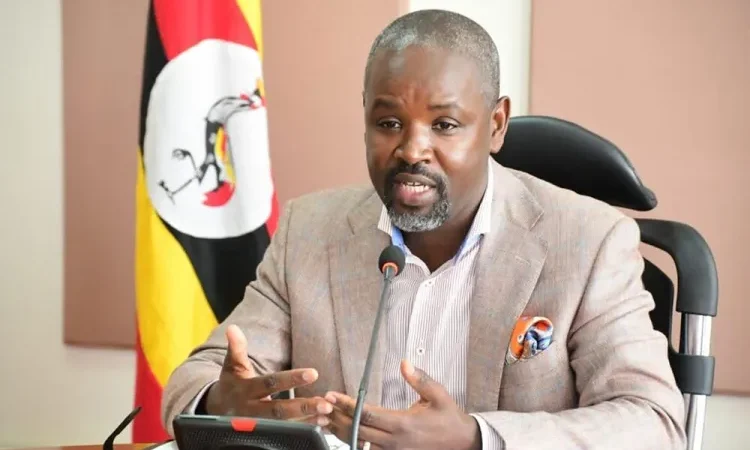

By: Zakarias Idiro
Uganda’s SME financing conversation has often focused on access: who can get financing, what products are available, and what requirements businesses must meet. While these remain important, there is another issue that deserves equal attention: action.
Many SMEs do not seek financing simply because a product exists. They act when there is a clear business trigger — a new order, a contract to fulfil, stock to replenish, equipment to acquire, a seasonal cashflow gap, or an expansion opportunity that cannot wait.
This means the challenge is not only whether SMEs need support. In many cases, the need already exists. The bigger question is whether business owners recognise the right financing moment early enough, understand their options, trust the institution, and receive support quickly enough to act.

For banks, this calls for a shift from product promotion to practical business guidance.
The SME financing gap is also a confidence gap
For many entrepreneurs, borrowing is shaped by confidence, timing, trust, and clarity.
Some SMEs delay engagement because they are unsure which facility fits their needs. Others hesitate because they assume collateral requirements are too difficult, the process is too long, or their business may not qualify.
When financing is approached too late, opportunities can be missed. That is why SME banking must help businesses move from passive need to triggered action.
Visibility creates familiarity
Visibility should go beyond advertising. Banks must show up across the right awareness and relationship touchpoints — digital platforms, media conversations, branch interactions, business communities, markets, trade hubs, sector clusters, and RM engagement.
When SMEs see the bank in spaces that reflect their reality, financing begins to feel more accessible and relevant.
Insight builds trust
SMEs need more than product information. They need practical insight that helps them understand cashflow, documentation, eligibility, sector realities, financing options, and growth decisions.
Through thought leadership, product explainers, customer stories, videos, articles, carousels, and advisory content, banks can answer the questions that often delay action.
When a bank leads with insight, it builds authority before asking for uptake. This is where BOA SME Rise becomes more than a campaign — it becomes a platform for guiding entrepreneurs toward better growth decisions.
Speed turns confidence into action
Once SMEs are aware of the solutions and trust the bank as a credible authority, the experience must move quickly.
Clear requirements, timely follow-up, document guidance, quick feedback, and efficient movement from enquiry to application can make the difference between a missed opportunity and a funded growth moment.
For SMEs, speed is not just service quality. It is business value.
From access to action
The future of SME banking will belong to institutions that connect visibility, insight, and speed.
Visibility helps SMEs know where to turn.
Insight helps them understand what to do.
Speed helps them act while the opportunity is still alive.
This is the thinking behind BOA’s renewed SME focus: to be more present where SMEs operate, more useful in the conversations that shape business decisions, and more responsive when entrepreneurs are ready to act.
When SMEs are supported at the right moment, they do more than borrow. They grow, employ, trade, produce, and contribute to Uganda’s wider economic progress.
The writer is the Head of SME Banking, Bank of Africa Uganda