


South Sudan’s Council of Ministers has dropped proposed changes to key provisions affirming the supremacy of the 2018 peace agreement, following strong pressure from Western governments and diplomats.
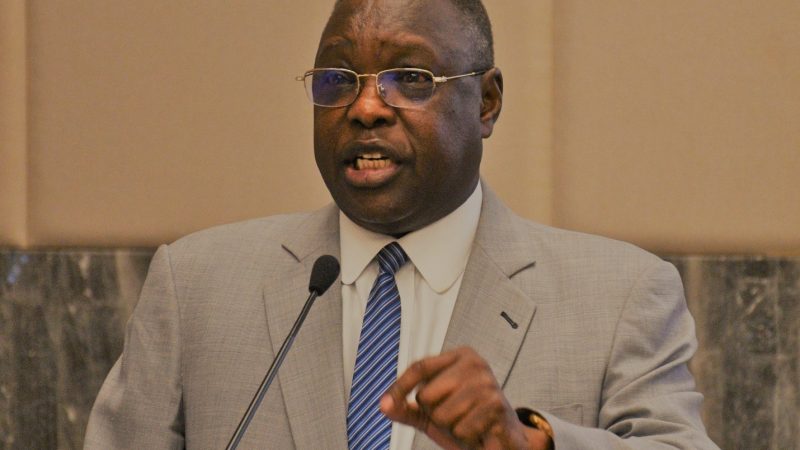
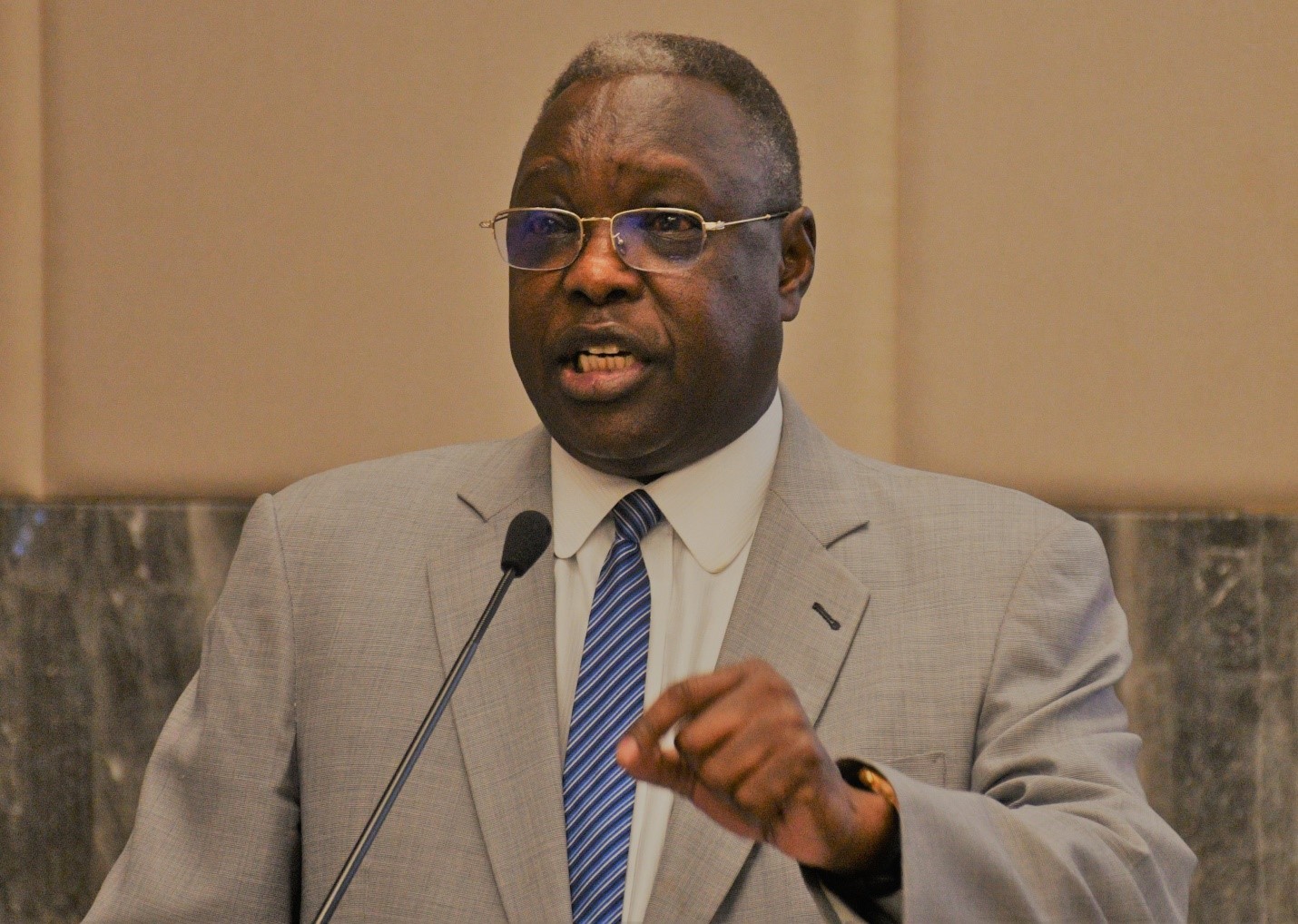
Cabinet Affairs Minister Dr. Martin Elia Lomuro announced the decision after a cabinet meeting chaired by President Salva Kiir on Friday.
He said the government will retain Articles 8.1, 8.2, and 8.3 of the Revitalised Agreement on the Resolution of the Conflict in South Sudan (R-ARCSS), which establish the agreement’s legal supremacy.
“We confirmed the amendments submitted,” Lomuro said.

“We decided to maintain Articles 8.1 on the supremacy of the agreement, 8.2 and 8.3, so that the amendments are restricted only to Articles 1.2.5, 1.14 and 6.14.”
Article 8.1 declares the agreement legally binding on all parties and superior to the 2015 peace deal.
Article 8.2 requires its incorporation into the Transitional Constitution, with R-ARCSS prevailing in case of conflict.
Article 8.3 gives the agreement precedence over national laws and any inconsistent earlier agreements.
The cabinet will now limit amendments to provisions related to transitional governance, security arrangements, and preparations for general elections scheduled for December 2026.
The reversal follows intense diplomatic pressure, including U.S. sanctions and a joint statement issued on Tuesday by 17 Western embassies and the European Union.
The missions warned that unilateral changes to the peace agreement would undermine its legitimacy and threaten stability in South Sudan.
“The Peace Agreement remains the basis of legitimacy for the transitional government in South Sudan,” the statement read.
“Unilateral changes to the Agreement are not in accordance with the letter and spirit of the Agreement and will not bring peace to South Sudan.”
The proposed amendments were submitted to parliament on 11 May by President Kiir’s camp.
They sparked a boycott by opposition lawmakers and strong objections from the SPLM-IO led by suspended First Vice President Dr. Riek Machar, who said his group was not consulted.
The Reconstituted Joint Monitoring and Evaluation Commission (RJMEC) also raised concerns, stressing that any amendments must be done through consultation and consensus among all signatories.
Machar remains under house arrest facing treason and other charges linked to the March 2025 Nasir attack.
International actors have repeatedly called for his release and renewed political dialogue ahead of the planned elections.