
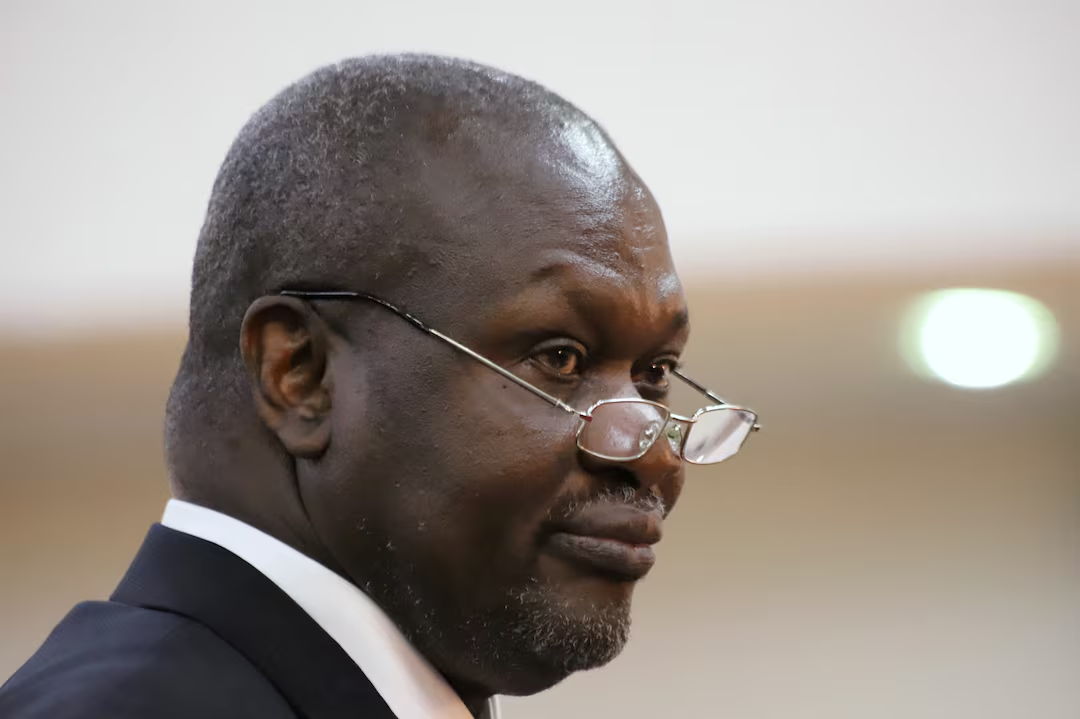
South Sudan’s opposition leader and First Vice President, Dr. Riek Machar, has been charged with treason, crimes against humanity, and murder, more than five months after being placed under house arrest in Juba.
The charges relate to Machar’s alleged involvement in attacks by armed Nuer civilians—known as the White Army—on army barracks in Nasir, Upper Nile State.
The announcement comes nearly two weeks after President Sava Kiir appointed Dr. Joseph Geng Akech as justice minister and Sarah Peter Nyot Kok, wife of Vice President Dr. Benjamin Bol Mel, as Counsel General in the Ministry of Justice.
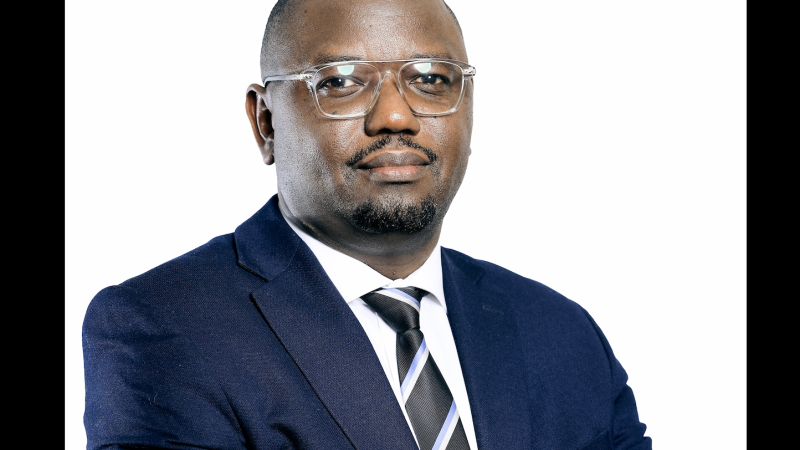
Speaking at a press conference in Juba on Thursday, Justice Minister Geng said Machar and seven others—including Petroleum Minister Puot Kang Chuol and Deputy Chief of Staff General Gabriel Duop Lam—were linked to the White Army militia attacks in Upper Nile.

He said a government investigation had resulted in the indictment of 21 individuals. Eight suspects, including Machar, have been formally charged, while 13 remain at large. A total of 83 people were interrogated during the probe; 76 were released due to insufficient evidence.
The eight charged individuals are Machar, Puot Kang Chol, Gabriel Duop Lam, Mam Paul Dhuor, Gatwech Lam Puoch, Camilo Gatmai Kel, and Dominic Gatrgot Riek. They face a range of allegations including murder, conspiracy, terrorism, financing terrorism, treason, destruction of public property and military assets, and crimes against humanity.
“The accused have been informed of the charges and their constitutional rights, including the right to a fair trial and legal representation of their choice,” Geng said.
He reaffirmed the government’s commitment to the rule of law, protection of victims and witnesses, and adherence to the Geneva Conventions and other international obligations.
Geng added that the case will proceed to trial soon before a competent court, where the government will present evidence to prove the charges beyond a reasonable doubt.
He cautioned the international community against politicizing the case, emphasizing that it should not be subject to diplomatic or policy debate until judicial proceedings are complete.