South Sudan’s government has proposed a significant increase in funding for the National Elections Commission (NEC) in the draft 2025/2026 national budget, as the country edges closer to its first general elections scheduled for December this year.
Draft documents allocate 134.3 billion South Sudanese pounds (SSP) to the NEC—up from 102.4 billion SSP in the previous financial year.
However, actual expenditure by the commission in 2024/25 totaled only 181.6 million SSP, underscoring persistent gaps between budgeted and disbursed funds.
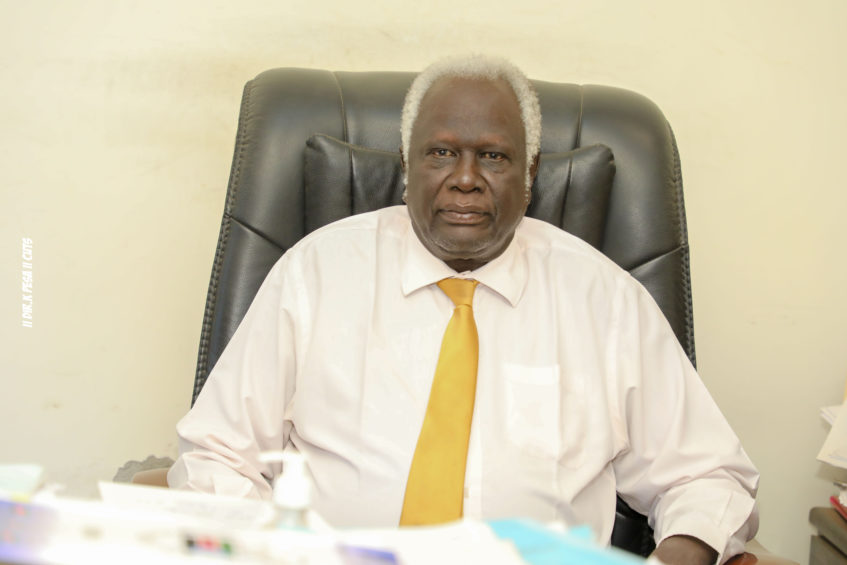
Chaired by Professor Abednego Akok Kacoul, the NEC is responsible for organizing “free and fair elections” and carrying out civic education nationwide.The proposed increase aims to support critical pre-election preparations, including:

- Construction of commission offices
- Procurement of voting materials and specialized equipment
- Voter education campaigns
- Recruitment and training of electoral staff
Of the total allocation, 133.1 billion SSP is designated as capital expenditure—primarily for infrastructure, land acquisition, and election-related equipment.
An additional 940.4 million SSP is allocated for goods and services, while 240.2 million SSP covers staff salaries.
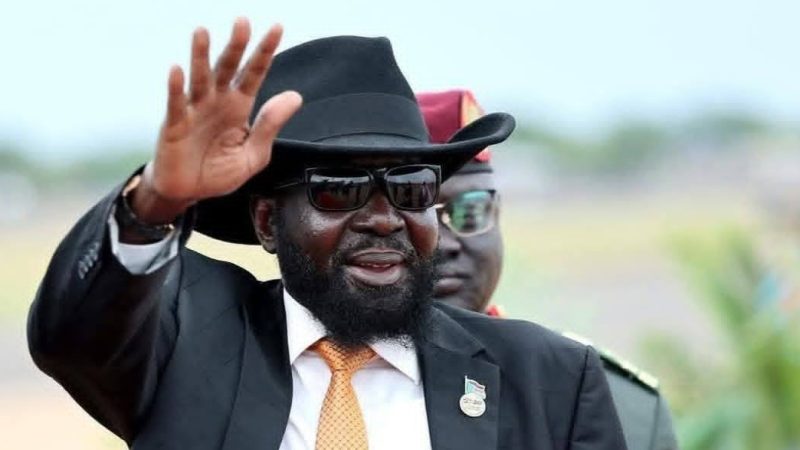
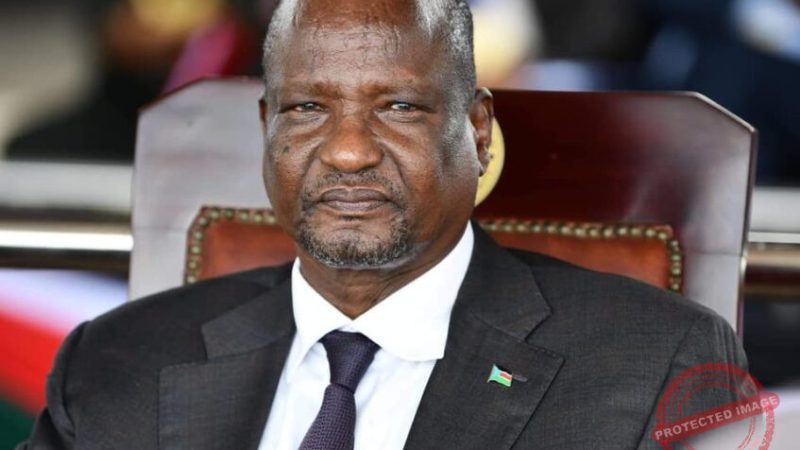
The funding push comes amid growing international calls on President Salva Kiir and First Vice President Riek Machar to deliver credible elections as stipulated in the 2018 Revitalised Agreement on the Resolution of the Conflict in South Sudan (R-ARCSS), which ended a five-year civil war.
Analysts caution that higher funding alone cannot ensure a credible process.
Key outstanding issues include inclusive political dialogue on election modalities, security arrangements for polling, and broader implementation of the peace agreement.
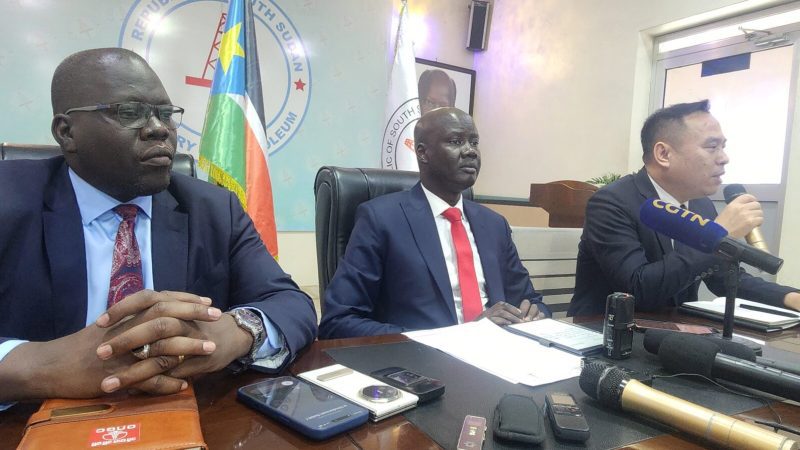
The draft budget, presented to parliament last week by Finance Minister Bak Barnaba Chol, projects total expenditure of 8.58 trillion SSP against expected revenues of 7.01 trillion SSP, resulting in a financing gap of 1.57 trillion SSP.
The proposal now awaits debate and approval by lawmakers before it can be enacted.