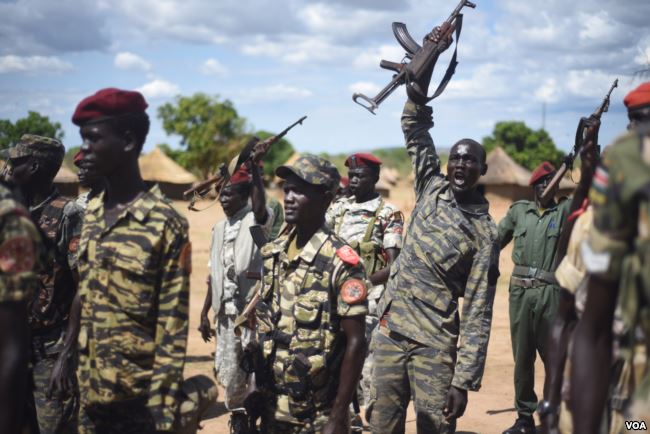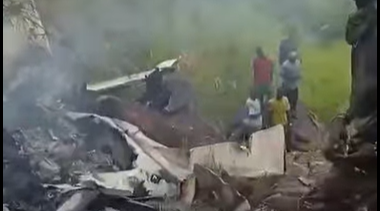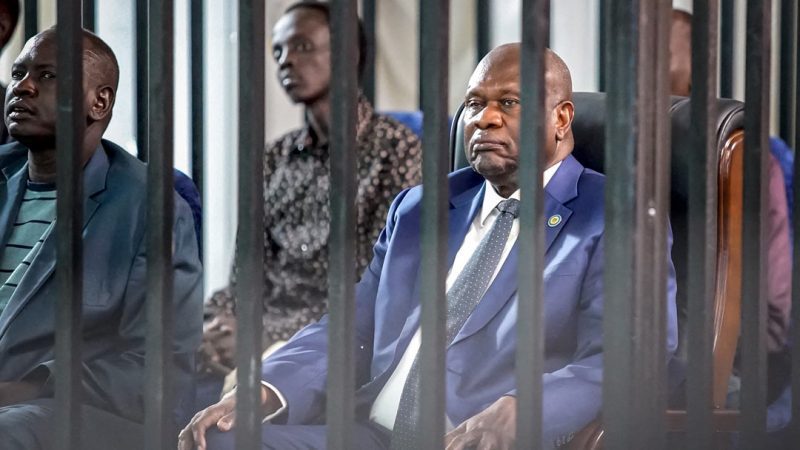






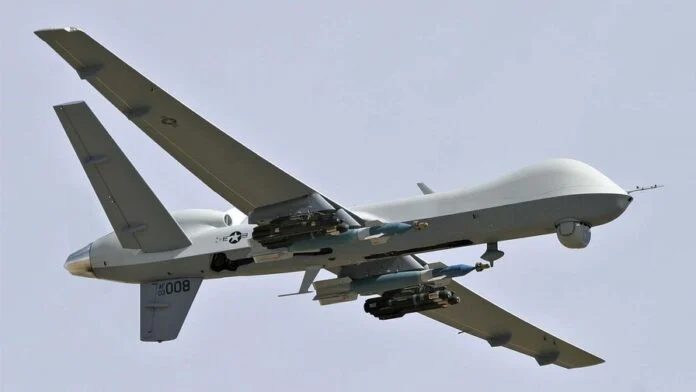
The March 23 Movement (M23) has confirmed carrying out a second drone strike on the outskirts of the northeastern Congolese city of Kisangani, escalating concerns about the geographic expansion of fighting beyond the traditional eastern battle zones.
In a communiqué issued late Monday under its political umbrella, the Alliance Fleuve Congo, M23 said its forces conducted a “targeted operation” to destroy combat drones allegedly being prepared by Congolese coalition forces for attacks on civilian areas and rebel positions.
“In response to this real threat, our forces deployed at the outskirts of the city of Kisangani conducted a targeted operation to neutralise and destroy drones that were about to be launched,” the group stated.
The announcement follows an earlier M23-claimed strike near Kisangani airport in late January, which drew strong condemnation from the African Union.

AU Commission Chairperson Mahmoud Ali Youssouf warned last week that attacks on major urban infrastructure could violate international humanitarian law and risk spreading the conflict far beyond North and South Kivu provinces.
Kisangani, capital of Tshopo province, lies hundreds of kilometres west of M23’s main areas of operation. The city serves as a critical logistics hub along the Congo River and a key node for military and commercial traffic in northeastern DRC.
The second claimed strike near the city signals a potential broadening of hostilities, raising fears that the war could spread into new regions despite M23’s recent territorial gains in the mineral-rich east.
Kinshasa has not yet commented on the latest claim.
The government has previously accused M23 — which it says is backed by Rwanda — of deploying advanced weapons, including drones and long-range artillery.
Rwanda denies any support for the group.
The incidents underscore the growing role of drone warfare in eastern Congo’s conflict. Both sides have repeatedly accused the other of using unmanned aerial systems to target military positions and civilian areas.
In its statement, M23 alleged that Congolese forces and allied militias have carried out “indiscriminate bombardments” using combat drones against civilian populations, describing its Kisangani operation as defensive to prevent imminent attacks.
Independent verification of the claims remains difficult due to restricted access to the affected zones.
Regional diplomats and United Nations officials have warned that the proliferation of drones — often operated with external technical assistance — increases the risk of civilian harm and complicates ceasefire monitoring efforts.
The renewed escalation occurs amid heightened diplomatic tensions in the Great Lakes region.
The United States imposed sanctions yesterday on Rwanda’s national army and several senior officers over alleged support to M23, a charge Kigali has rejected as baseless.
The measures have added pressure to fragile mediation efforts aimed at restoring a ceasefire and reviving political dialogue.