


Russia has urged the United Nations Security Council to offer South Sudan “substantive assistance, not criticism,” warning that excessive pressure on the government could undermine the fragile peace process ahead of planned elections later this year.
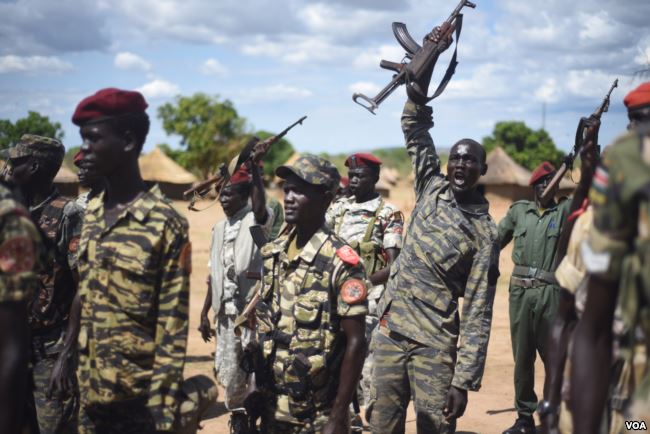
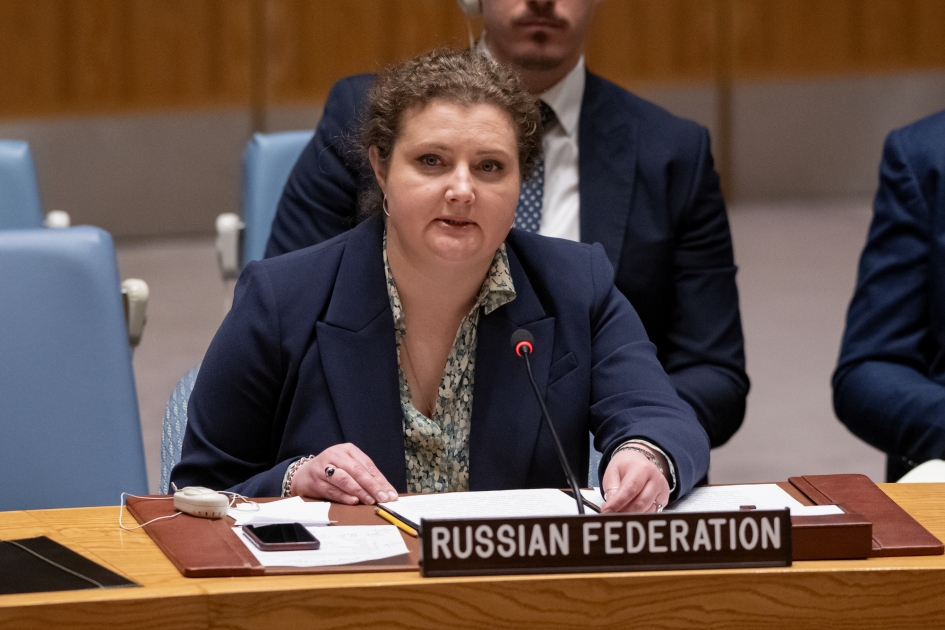
Speaking during a Security Council meeting on Friday, Russia’s deputy permanent representative to the UN, Anna Evstigneeva, acknowledged the volatile security situation in South Sudan, citing renewed clashes between government forces and opposition groups in Jonglei, Upper Nile, and Greater Equatoria.
She noted that ongoing military operations against what she described as “destructive elements” in Jonglei were contributing to instability and displacement, while emphasising that attacks on humanitarian workers were unacceptable.
Evstigneeva pushed back against strong criticism from Western powers, including the United States, which accused President Salva Kiir of actions that could push the country toward renewed civil war through forced displacement, violence, and obstruction of UN peacekeepers.

She argued that South Sudan’s leadership had repeatedly reaffirmed its commitment to the 2018 Revitalized Peace Agreement, which remains the foundation for the country’s political transition.
“The country needs substantive assistance and not criticism,” Evstigneeva said, adding that external pressure risked distracting from efforts to stabilise the economy and manage political tensions.
She highlighted the important role of regional bodies such as the African Union and IGAD in supporting mediation and called for continued cooperation between the South Sudanese government and the UN Mission in South Sudan (UNMISS).
Russia reiterated its support for a properly resourced UNMISS to protect civilians and ensure humanitarian access, while urging against steps that could weaken the mission’s mandate.
The remarks reflect deep divisions within the Security Council as it prepares to renew the UNMISS mandate, with Western members pushing for stronger accountability and a more focused civilian protection role.