





Uganda has called for the integration of climate resilience into sovereign debt frameworks, warning that current global systems fail to account for the long-term benefits of investing in climate adaptation.
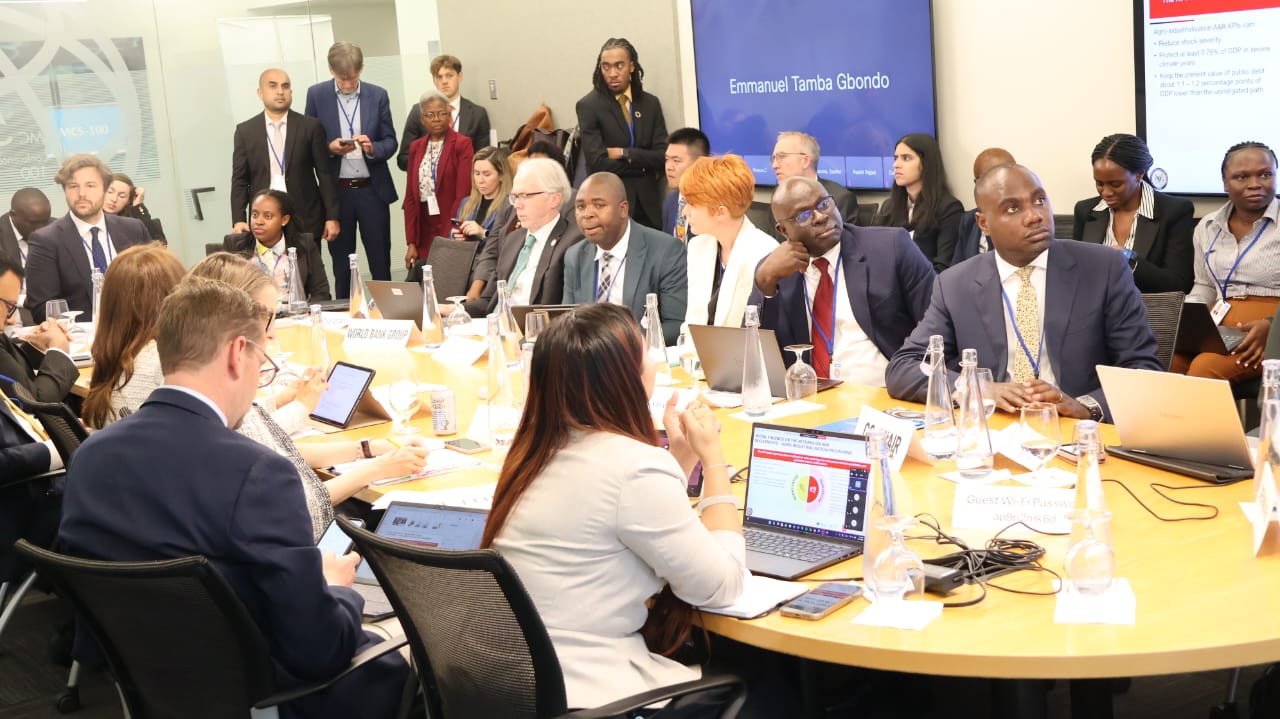
The call was made during a high-level discussion on building adaptation and resilience to climate change in sovereign debt profiles at the IMF–World Bank Spring Meetings in Washington, D.C.
The Minister of Finance, Matia Kasaija, was represented by the State Minister for General Duties, Henry Musasizi, who delivered the opening reflections.
Musasizi noted that the global economy is facing increasing complexity marked by geopolitical uncertainty, rising debt levels, and tightening fiscal space, with countries being required to do more with limited resources.

He said Uganda remains committed to its ambitious goal of growing the economy tenfold to 500 billion dollars under Vision 2040 and the National Development Plan IV, but emphasized that such growth must be resilient to climate shocks.
“In Uganda, climate change is not an abstract environmental issue; it is a fiscal reality,” he said.
He cited the 2016/17 drought, which reduced economic growth by 1.5 percentage points and affected over 1.3 million Ugandans, highlighting the significant economic and social impact of climate-related shocks.
Musasizi explained that while climate risks are increasingly factored into sovereign risk assessments, the benefits of investing in resilience are often overlooked. This, he said, creates an imbalance where countries are effectively penalized for borrowing to finance adaptation measures such as drought-resistant agriculture and flood protection.
Uganda, he noted, is already taking steps to address this gap by integrating climate adaptation costs and benefits into its sovereign debt analysis, particularly in climate-sensitive sectors such as agro-industrialisation.
Through climate-sensitive macro-fiscal modelling, the country is demonstrating that investments in resilience can reduce economic shocks, support growth, and improve debt sustainability over time.
“These investments are not just costs they are returns,” Musasizi emphasized, calling for global financial frameworks to reflect this reality.
Uganda is also leveraging its role as Co-Chair of the Coalition of Finance Ministers for Climate Action to promote knowledge sharing and collaboration among countries facing similar challenges.
He urged global stakeholders to adopt frameworks that recognize both the costs and benefits of climate resilience investments, to ensure that affordable financing is accessible to countries making long-term, sustainable development choices.
