By: Madit Majak
At 73, Riek Machar remains one of the most consequential—and controversial—figures in South Sudan’s turbulent political landscape.
As chairman of the SPLM-IO and commander-in-chief of both the SPLA-IO and the loosely aligned White Army, his name continues to sit at the center of the country’s unresolved questions about war, peace, and accountability.
The events of March 2025 in Nasir are not just another chapter in South Sudan’s long conflict—they are a defining test of leadership responsibility.

The deadly assault carried out by SPLA-IO forces and allied White Army militia, which resulted in the killing of 257 government soldiers, including their commander Gen. David Majur Dak, alongside a UN personnel, and the destruction or capture of military equipment worth millions of dollars, cannot simply be reduced to battlefield dynamics.
It raises a deeper issue: where does command responsibility begin and end?
Supporters of Dr. Machar may argue that South Sudan’s conflict is complex, fragmented, and often beyond the direct control of any single leader.
That argument has some merit.
The reality on the ground is messy, with multiple armed actors, shifting alliances, and weak command structures.
But leadership, especially at the level Machar occupies, is not defined by convenience. It is defined by accountability—particularly when forces operating under your banner commit acts of such magnitude.
For too long, South Sudan’s political culture has normalized impunity.
Leaders on all sides have escaped meaningful consequences while ordinary citizens bear the cost—through displacement, loss, and generational trauma.
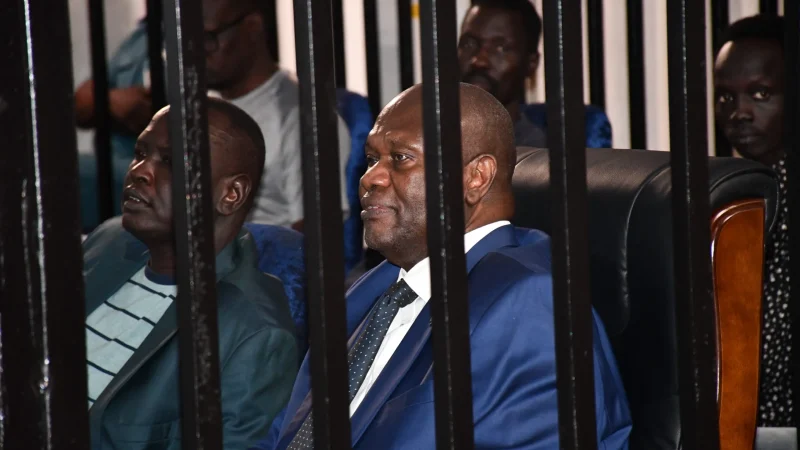
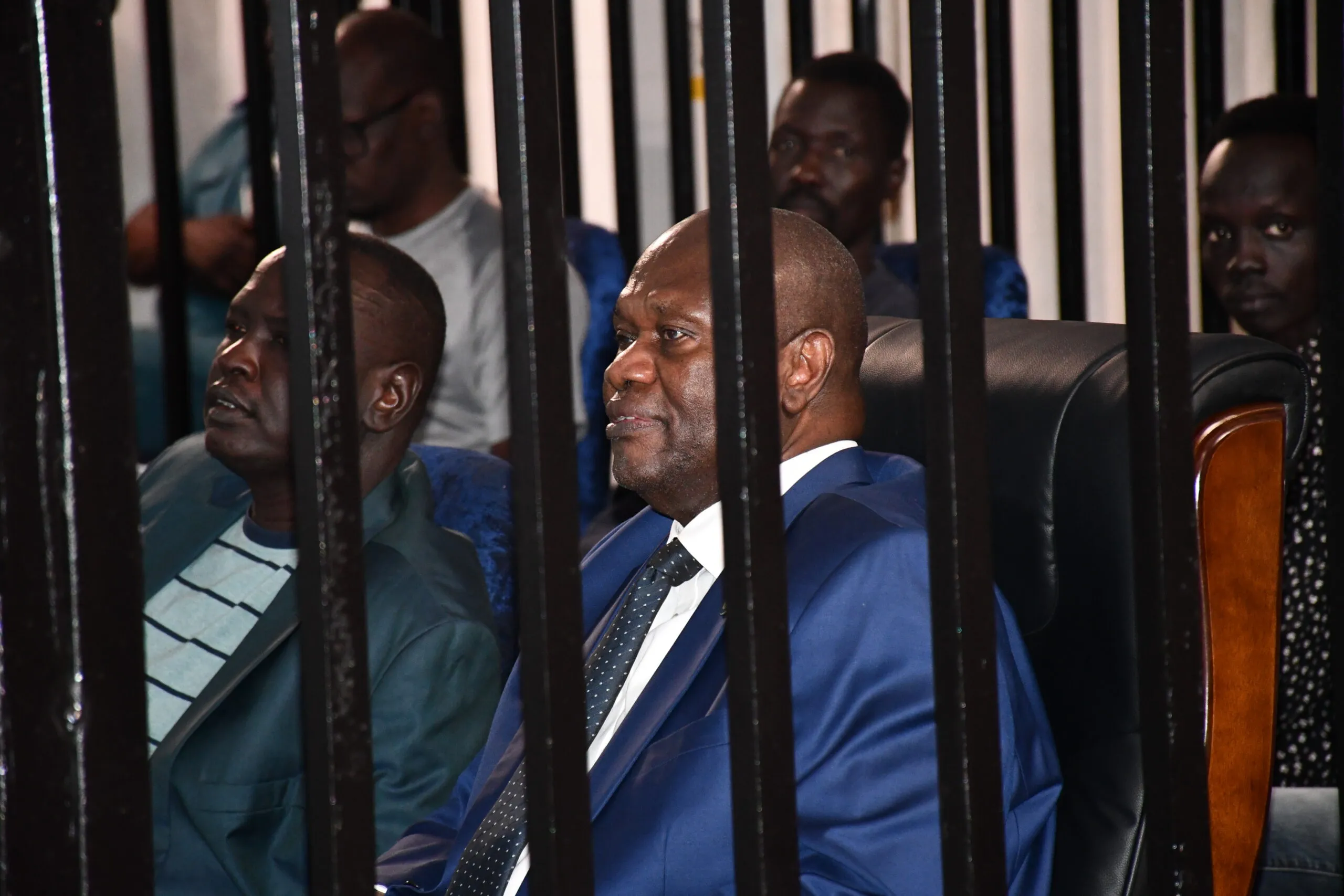
The anticipated trial of Dr. Machar, therefore, is not merely about one man’s guilt or innocence. It is about whether the country is finally willing to confront a pattern where power shields individuals from justice.
The patience of the South Sudanese people should not be mistaken for indifference. It reflects a quiet but growing demand for a system where no leader is above the law.
Whether the verdict ultimately finds Dr. Machar guilty or not guilty, what matters most is the credibility, transparency, and fairness of the process.
If justice is seen to be selective or politically driven, it will deepen divisions. But if it is conducted with integrity, it could mark a turning point—a signal that South Sudan is beginning to transition from a culture of violence to one of accountability.
The stakes are larger than any individual.
This moment is about defining the future of governance in South Sudan.
Will leadership continue to operate without consequence, or will the rule of law finally take root?
That answer will shape not only Dr. Machar’s legacy, but the destiny of the nation itself.
The writer is a political analyst with South Sudan Eagle Media.