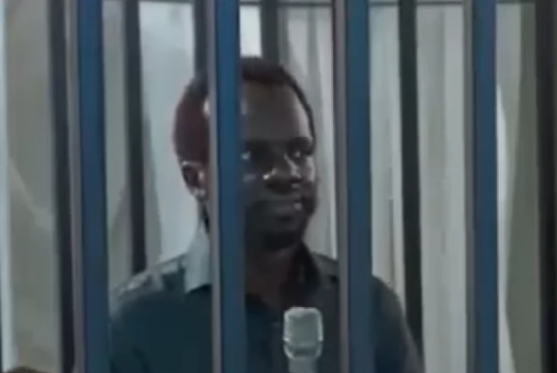
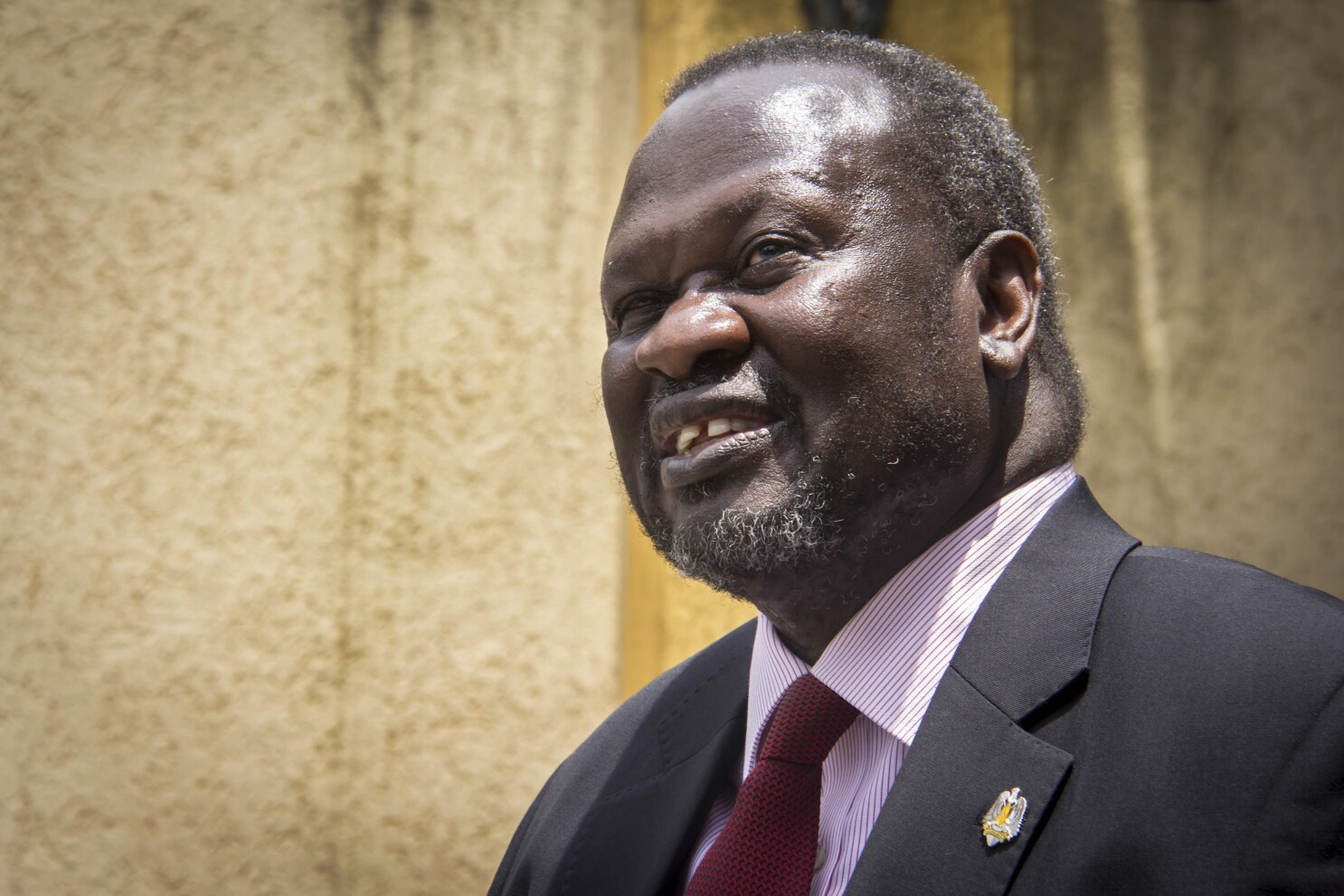
The special court in Juba has extended its mandate to continue hearing the trial of South Sudan’s suspended First Vice President, Riek Machar, and seven others accused of treason and related crimes, after dismissing a defence challenge to its legality.
The tribunal’s initial one-month term expired on October 8, prompting Machar’s lead defence lawyer, Dr. Geri Raimondo Legge, to file a motion questioning the court’s jurisdiction and constitutional validity.
Presiding Judge James Alala Deng threw out the application during Wednesday’s 10th session and formally renewed the court’s mandate “until the case reaches its conclusion.”
The trial, which opened on September 22, stems from a March 2025 attack on an army base in Nasir County that left Gen. David Majur Dak and several soldiers dead. Authorities blame the assault on fighters loyal to Machar’s Sudan People’s Liberation Movement/Army-in-Opposition (SPLM-IO) and a youth militia known as the White Army.

Machar, 73, and his seven co-accused face charges of treason, crimes against humanity, mass murder, terrorism, and destruction of property. The accused include Puot Kang Chuol, Mam Pal Dhuor, Gatwech Lam Puoch, Lt. Gen. Gabriel Duop Lam, Kamilo Gatmai Kel, Mading Yak Riek, and Dominic Gatgok Riek.
Wednesday’s proceedings focused on the admissibility of mobile phones seized from the defendants at the time of their arrest. The defence argued the seizure was unconstitutional and violated the 2008 Criminal Procedure Act, saying it was carried out without a warrant or judicial authorization.
Prosecutors, however, maintained that the devices were lawfully obtained and registered as exhibits, describing them as vital evidence linking the accused through communications.
Judge Deng expressed concern over the growing number of objections and procedural delays, warning that they risked derailing the trial. He urged both sides to speed up their submissions to allow the case to progress.
During the session, held at Juba’s Freedom Hall, prosecutors presented 16 exhibits. The court admitted 13, including a laptop belonging to Machar, mobile phones from all seven co-accused, and three weapons—two rifles and a pistol—allegedly tied to Brig. Gen. Kamilo Gatmai Kel, who denied ownership. A fourteenth exhibit was deferred for later cross-examination.
The judge also acknowledged that one of the defendants recently underwent an appendix operation while in detention and commended the National Security Service, police, and medical staff for providing care.
Judge Deng ordered that the court will now sit three days a week—on Mondays, Wednesdays, and Fridays—and that proceedings will continue “day after day” until all evidence is presented.